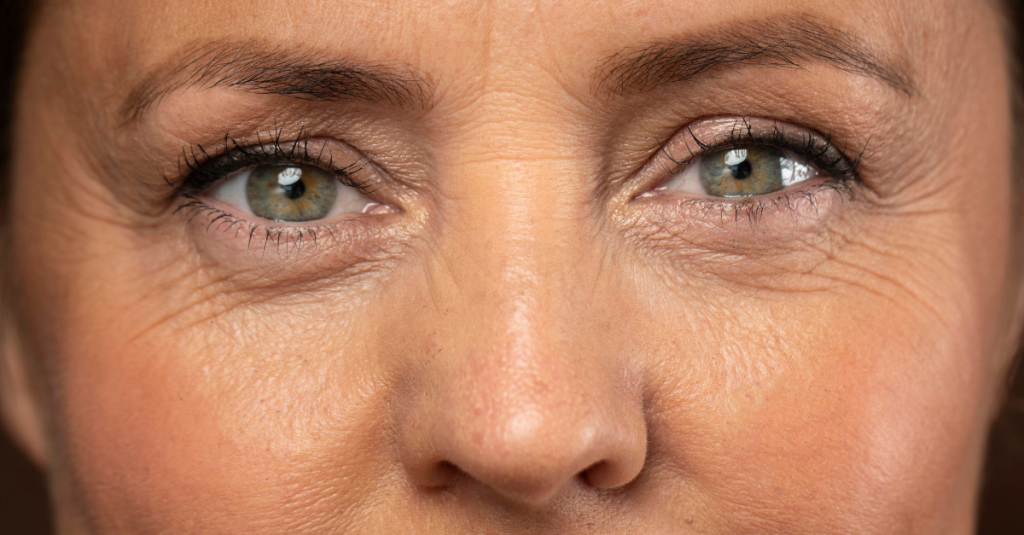
They say 40 is the new 20, and there’s truth to it. You’re more confident and self-assured than ever. But your skin might not have gotten that memo: fine lines are getting bolder, that glow isn’t effortless, and Malaysia’s hot, humid climate is not helping.
Your 40s are remarkably interesting; early-40s skin behaves differently than late-40s skin, thanks to hormonal changes beneath the surface.
Whether you’re just crossing 40 or approaching 50, your concerns and solutions are unique to this decade. Let’s explore the aesthetic concerns that define your 40s and the treatments that help.
Why Being 40 is Different in Malaysia
Tropical Climate Impact
The Hormonal Timeline
Lifestyle & Cultural Factors
Facial Skin Conditions
The Emotional Reality of Facial Aging
“When did I start looking tired all the time?”
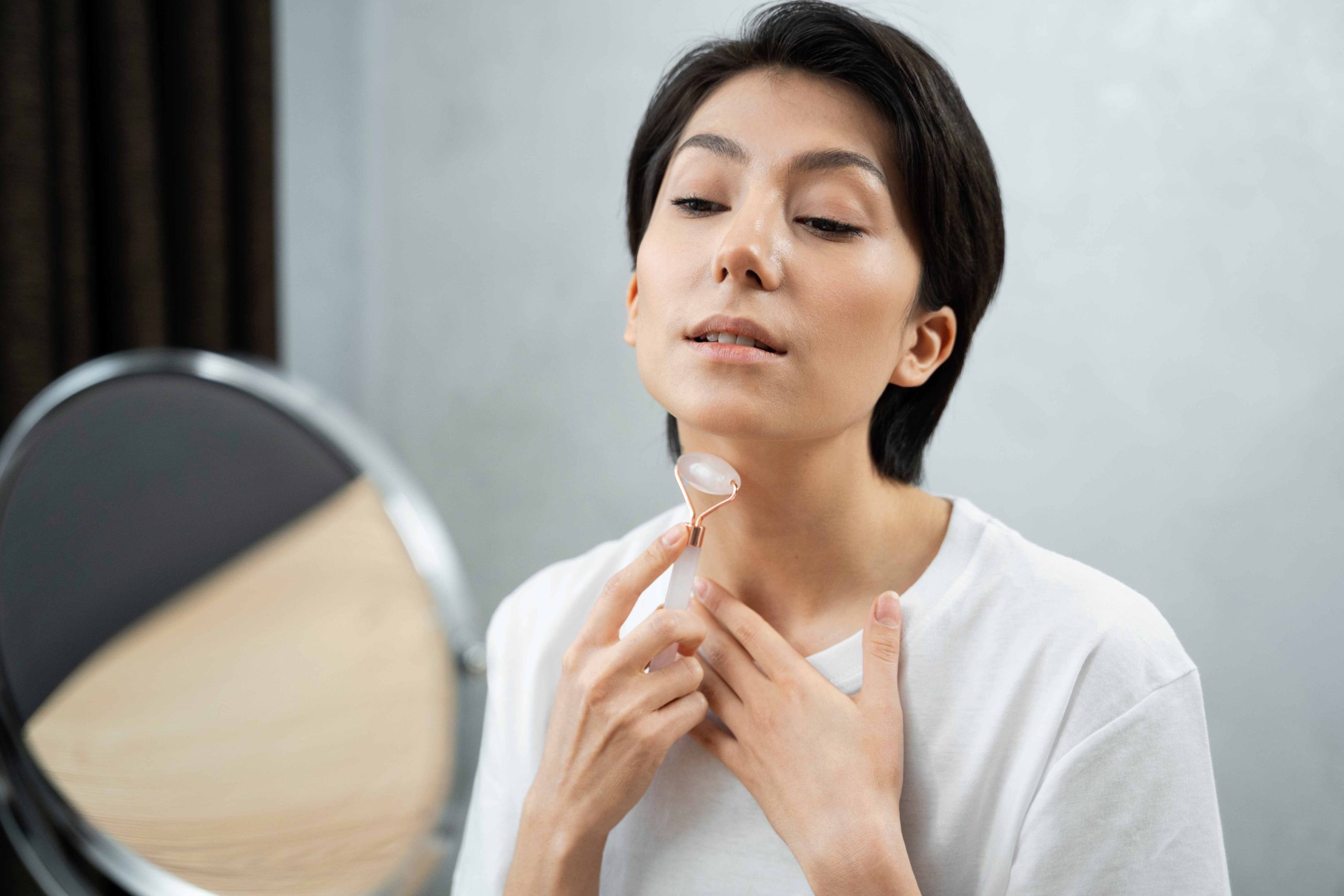
This is a common question people ask, not specifically about wrinkles or sagging, but a general worry that their face no longer reflects how they actually feel. You’re at your career pinnacle, confident and energetic, but the mirror shows otherwise.
1. Wrinkle Formation & Lip Aging
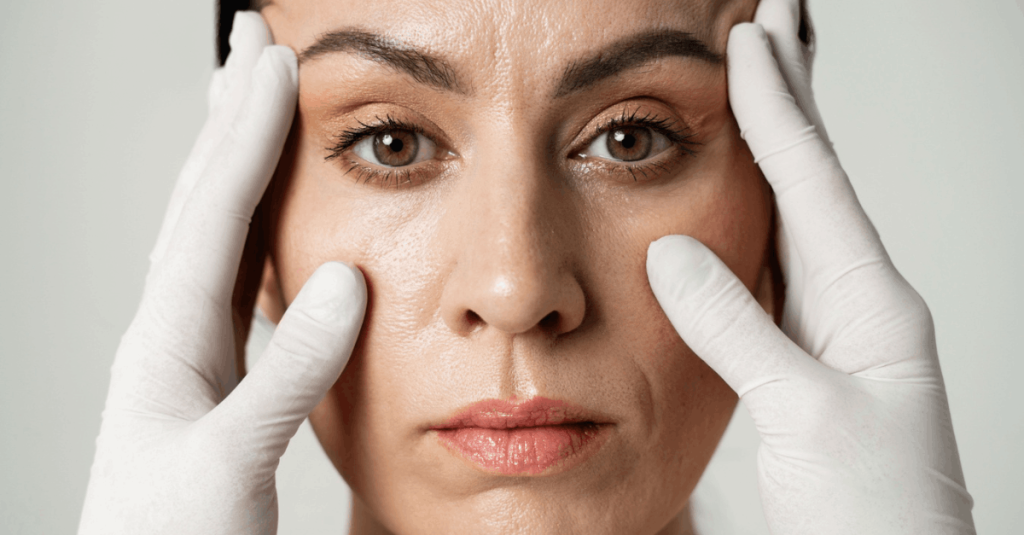
Collagen production declines significantly as we age, making wrinkle formation inevitable. Expression lines (forehead, crow’s feet, and frown lines) start appearing in your early 40s, deepening into static wrinkles by your mid to late 40s.
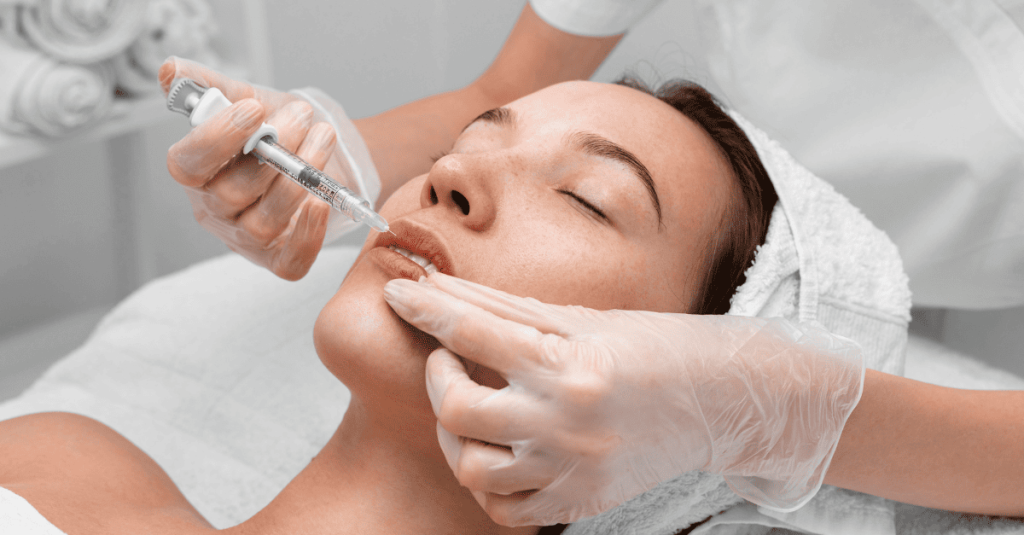
Simultaneously, lips lose volume as fat pads diminish; the cupid’s bow flattens, corners downturn, and vertical lines deepen around the mouth. These changes age your appearance disproportionately to the rest of your face.
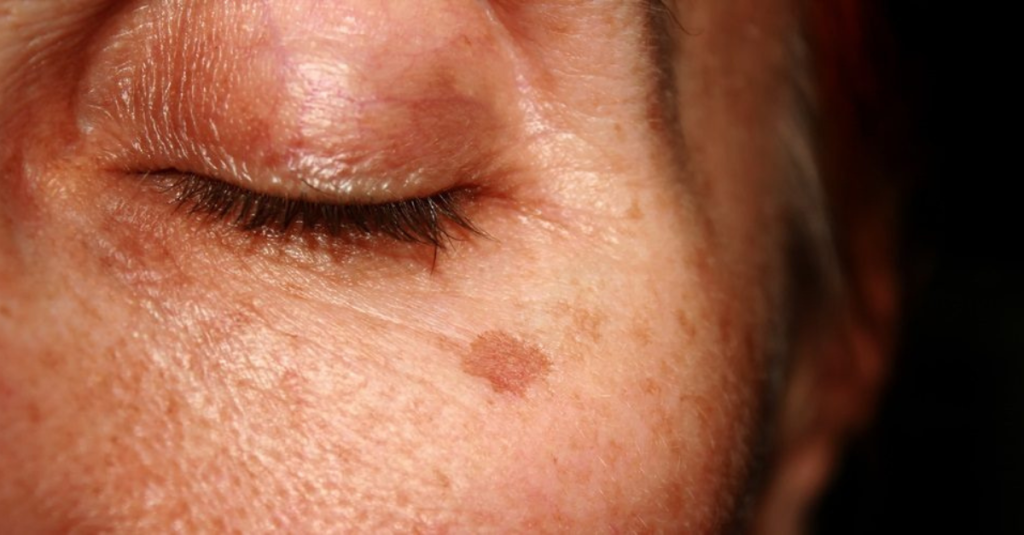
2. Hyperpigmentation
3. Facial Volume Loss & Sagging
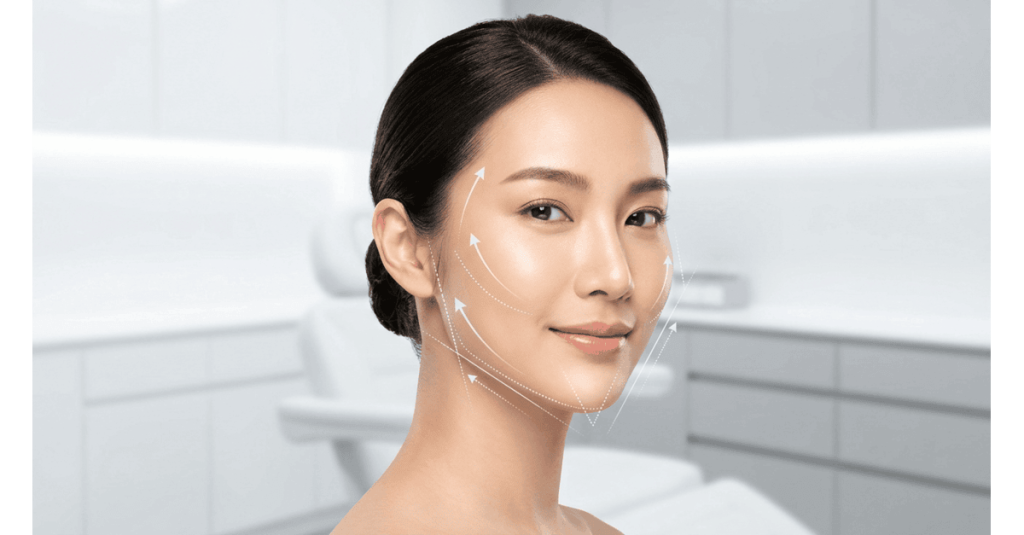
Loss of facial fat pads and reduced collagen cause hollowing in the cheeks, temples, and under-eyes, while sagging along the jawline and neck creates jowls and less-defined contours.
These combined changes create a persistent “tired look” that doesn’t reflect your actual energy levels and becomes increasingly pronounced from your mid-40s onward.
4. Acne Scarring
Past breakouts leave lasting textural damage that becomes more noticeable as skin loses plumpness. Men often experience more severe scarring due to thicker skin and higher testosterone levels.
Preventive Strategy
- Apply broad-spectrum SPF 50+ sunscreen daily, reapplying every 2 to 3 hours when outdoors
- Incorporate retinoids nightly to boost collagen production
- Use antioxidant serums (such as vitamin C, E or ferulic acid) to protect against environmental damage
- Layer brightening agents (like niacinamide or tranexamic acid) to prevent pigmentation
- Maintain consistent hydration and sleep schedules
Corrective Treatment Options
Professional skin aesthetic treatments can target specific conditions based on your primary concerns.
- Wrinkles & Lip Aging: Injectable treatments such as Letybo (Botox) for expression lines, paired with Hyaluronic Acid (HA) fillers for lip volume
- Hyperpigmentation: Curas Hybrid laser, chemical peels or OPT 5 Signature therapy
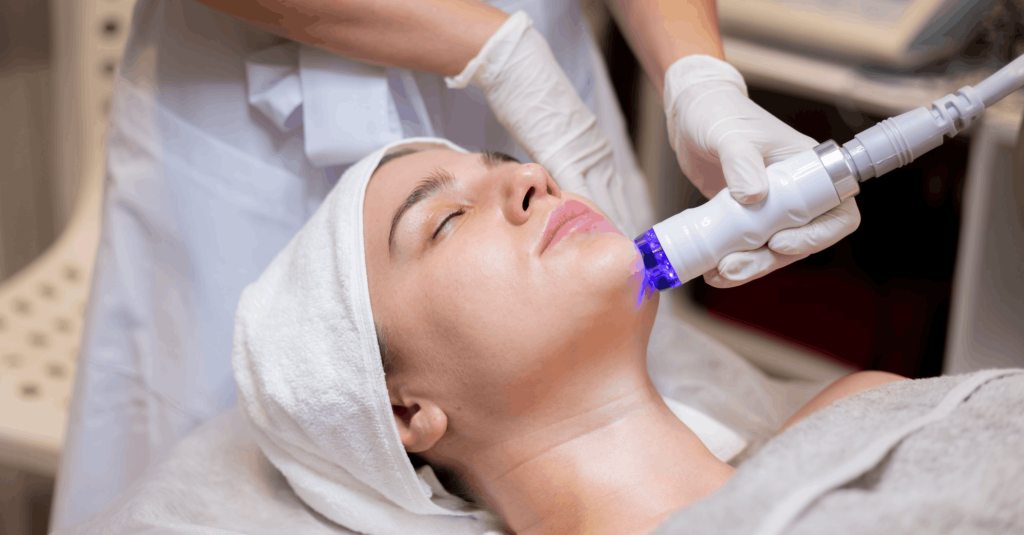
- Volume Loss & Sagging: Hyaluronic Acid (HA) fillers, thread lifts, and High Intensive Focused Ultrasonic (HIFU) treatments
- Acne Scarring: Endymed Pro RadioFrequency (RF) Treatment, microneedling, or chemical peels
Overall Texture & Tone: Skin boosters such as Jalapuro and PureTouch’s own Signature Cocktail Skin Booster, medical facials, or collagen-stimulating treatments like the Juvelook Advanced Hybrid solution.
A Personal Touch to Your Best Features
Feel confident at every stage of life. Our doctors provide personalised, medically guided treatments that enhance what you already have, naturally and safely.
Managing Hair Loss & Thinning
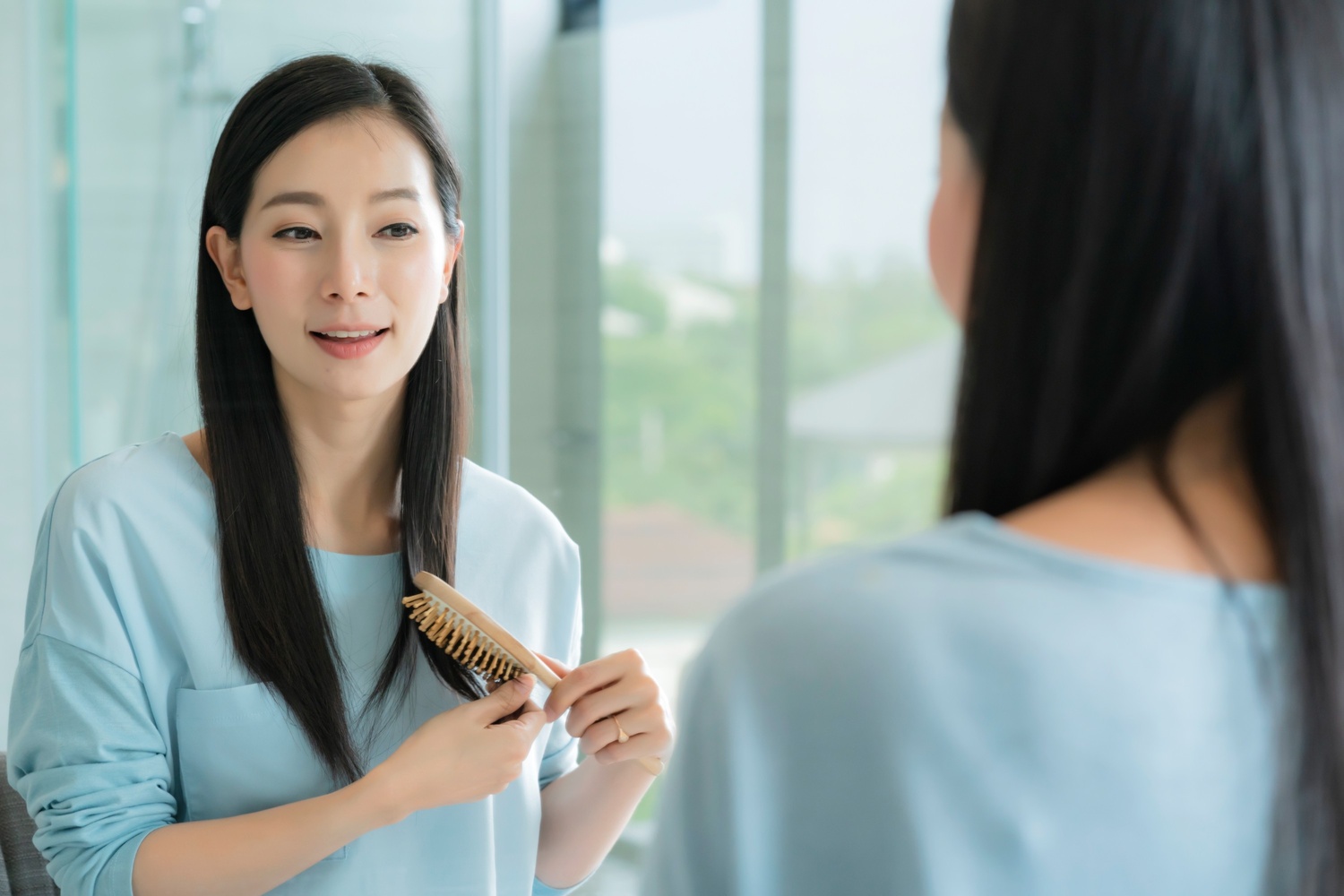
Hair loss becomes increasingly common during your 40s, affecting both men and women in different ways.
The Identity Crisis of Hair Loss
“I see more scalp in photos now.”
Hair loss creates identity anxiety regardless of gender. Every photo reveals bigger receding hairlines, and every shower drain collects more strands. You’ve tried every shampoo and supplement, but surface solutions can’t address the follicle damage happening beneath your scalp.
1. Androgenetic Alopecia (Pattern Hair Loss)
This hereditary condition affects up to 50% of men by their late 40s, causing progressive thinning at the crown and hairline. Women experience diffuse thinning that accelerates as estrogen levels decline, particularly around the center.
2. Hormonal Hair Loss in Women
Perimenopause triggers noticeable shedding for many women during their 40s, often compounded by thyroid fluctuations and chronic stress that disrupts the hair growth cycle.
Preventive Strategy
Proactive scalp and hair health measures can slow progression and preserve existing follicles.
- Integrate scalp care with gentle exfoliation and circulation-boosting massage
- Address nutritional deficiencies (such as iron, vitamin D, or biotin) through testing and supplementation
- Manage stress levels and maintain hormonal balance
- Avoid harsh chemical treatments and tight hairstyles
- Use gentle, sulfate-free shampoos
Corrective Treatment Options
Specialised hair treatments can restore density and address advanced thinning patterns.
- Scalp Health & Stimulation: Medical-Grade Scalp Treatments (Hair Rebirth, exfoliation, and nutrient infusion), as well as the Indiba Hairwave Treatment to boost circulation and cellular activity.
- Follicle Regeneration: Low-Level Laser Therapy and PRP Therapy stimulate hair follicles and encourage growth.
- Prescription & Injectable Treatments: Topical minoxidil, oral finasteride (men), spironolactone (women), and Dutasteride scalp injections block DHT to prevent further hair loss.
- Surgical Restoration: Hair transplantation (FUE/FUT) offers permanent correction for advanced hair loss.
Treating Body Contour Concerns
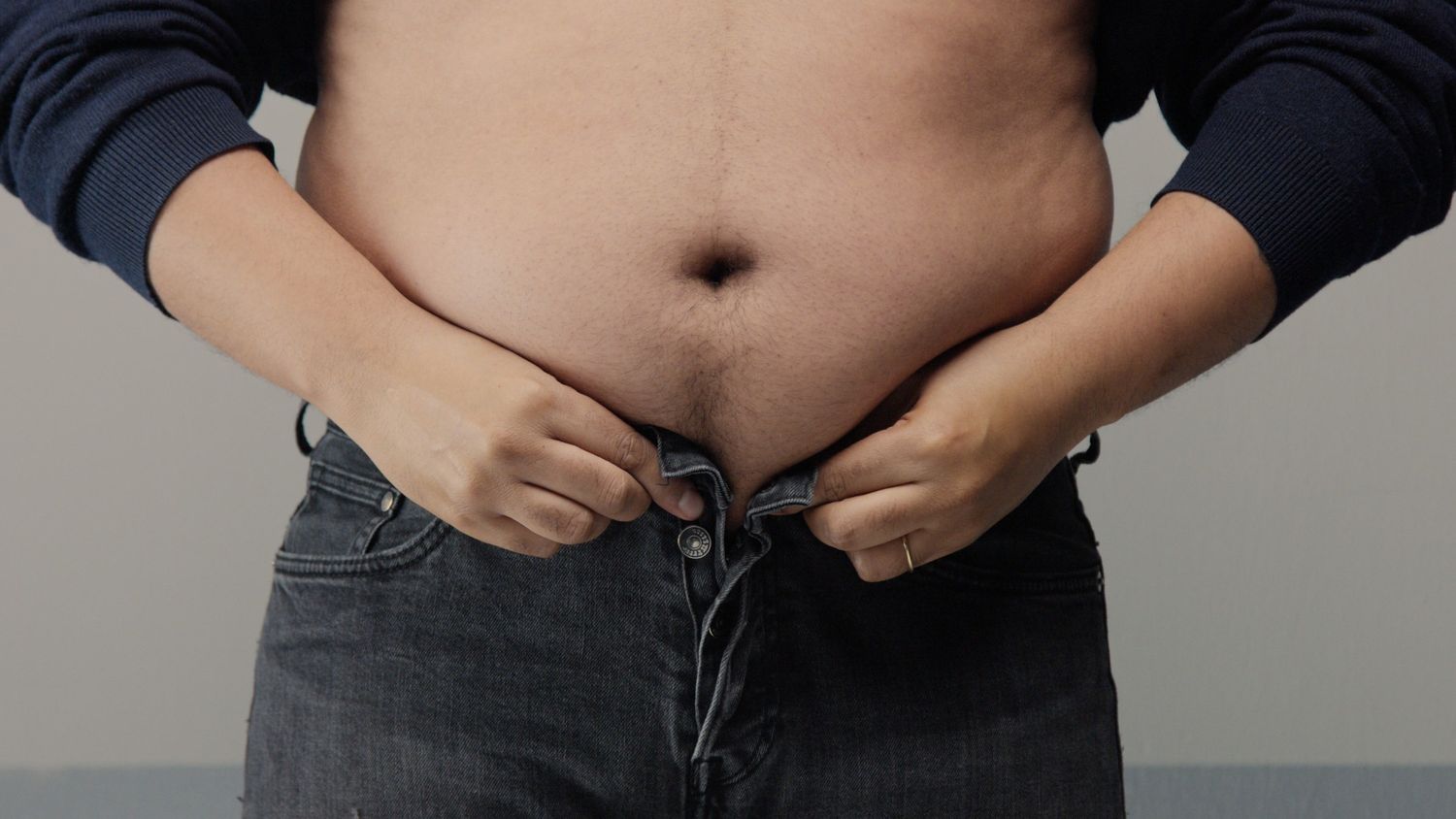
When Your Body Stops Following the Rules
“I’m eating better and exercising more, but my body is changing anyway.”
This is metabolic aging: your efforts don’t produce the same results they used to. Stubborn fat deposits persist despite discipline because hormonal changes have reprogrammed where your body stores fat.
1. Stubborn Fat Deposits
Hormonal fluctuations, particularly during perimenopause and menopause, increase 5% to 8% of total body fat. Stubborn deposits accumulate around the abdomen, flanks, arms, inner thighs, and under the chin, areas that are increasingly unresponsive to traditional diet and exercise.
2. Cellulite & Skin Texture Changes
3. Body Skin Laxity & Stretch Marks
Reduced collagen leads to loose skin texture and sagging in the abdomen, arms, and thighs. Existing stretch marks from pregnancy, growth spurts, and weight fluctuations become more prominent as the surrounding skin loses firmness and elasticity.
Preventive Strategy
Maintain muscle mass and skin quality to minimise the severity of body contour changes.
- Engage in regular resistance training around 2 to 3 times weekly
- Prioritise protein intake (around 1.2 to 1.6g per kg body weight) to support muscle maintenance
- Stay consistently hydrated to maintain skin elasticity and support metabolism
- Use body moisturisers with retinol or peptides to support collagen production
- Maintain a stable weight to prevent skin stretching and metabolic adaptation
Corrective Treatment Options
Non-surgical body contouring treatments address localised fat and skin laxity that diet and exercise cannot resolve.
- Fat Reduction: Fat freezing (cryolipolysis) and medical weight-loss injections such as Mounjaro (tirzepatide) to reduce fat in the abdomen, flanks, thighs, arms, and double chin
- Body Sculpting: Slimming programmes
combine multiple technologies to target stubborn fat, improve body contours, and enhance overall body composition - Skin Tightening: Radiofrequency or ultrasound treatments stimulate collagen production to firm loose skin
- Stretch Mark Improvement: Fractional laser or microneedling therapies to improve texture and blend stretch marks with the surrounding skin
- Surgical Options: Abdominoplasty, arm lift, or thigh lift through specialised clinics for severe laxity requiring permanent structural correction
Ready to address stubborn areas? Explore Pure Touch’s specialised body treatments to find the right treatment for your goals.
Addressing Intimate Health Issues

Intimate health changes during your 40s are common yet rarely discussed in Malaysian culture.
When Intimacy Becomes Uncomfortable
Many women experience this health concern, yet cultural modesty keeps it hidden, even from doctors. Physical discomfort during intimacy creates relationship distance, but you don’t know if it’s normal or if solutions exist. Men experience similar changes but have even fewer resources for seeking help.
1. Genitourinary Syndrome of Menopause (GSM)
Postmenopausal women experience vaginal dryness, atrophy, and laxity caused by declining estrogen. These changes affect comfort, intimacy, and urinary function.
2. Male Intimate Changes
Testosterone decline affects both appearance and function in the intimate area. Reduced skin elasticity, changes in tissue tone, and decreased sensitivity become noticeable.
Preventive Strategy
Proactive intimate health maintenance can preserve tissue quality and function.
- Maintain regular intimate activity
- Use pH-balanced, fragrance-free products designed for intimate areas
- Stay hydrated and maintain cardiovascular health
- Practice pelvic floor exercises (Kegels) to maintain muscle tone
- Address hormonal changes early through consultation with healthcare providers
Corrective Treatment Options
Professional intimate wellness treatments provide discreet, effective solutions for age-related changes.
- Hormonal Support: Localised estrogen therapy or testosterone optimisation for men
- Energy-Based Treatments: CO2 laser or radiofrequency therapy such as the INDIBA IntimateCare to restore tissue thickness and elasticity
- Injectable Rejuvenation: PRP treatments like the O-Shot for volume restoration and increased sensitivity
- Functional Improvement: HIFEM Kegel Pelvic therapy for strengthening and urinary control
- Surgical Options: Labiaplasty, vaginoplasty, or male enhancement procedures for structural concerns
LCP-certified aesthetic clinics such as Pure Touch Clinic offer confidential consultations with trained practitioners, including female doctors, for women who prefer same-gender care. Our clinic understands cultural sensitivities while providing evidence-based intimate health solutions.
Getting Professional Treatment
“Middle-aged isn’t about aging, it’s about being your best self. I combine collagen-boosting lasers or injectables, regenerative hair therapies, and non-invasive body sculpting to smooth, lift, and restore, all with minimal downtime. Start early, stay consistent, and watch your confidence soar.”
— Dr Wendy, Pure Touch Clinic
An effective aesthetic strategy requires understanding your current concerns, long-term goals, and the most suitable treatments for your stage of life. Professional guidance ensures you invest in the right approach at the right time, whether that’s prevention in your early 40s or correction as concerns become more established.
Early 40s: Prevention is Your Best Investment
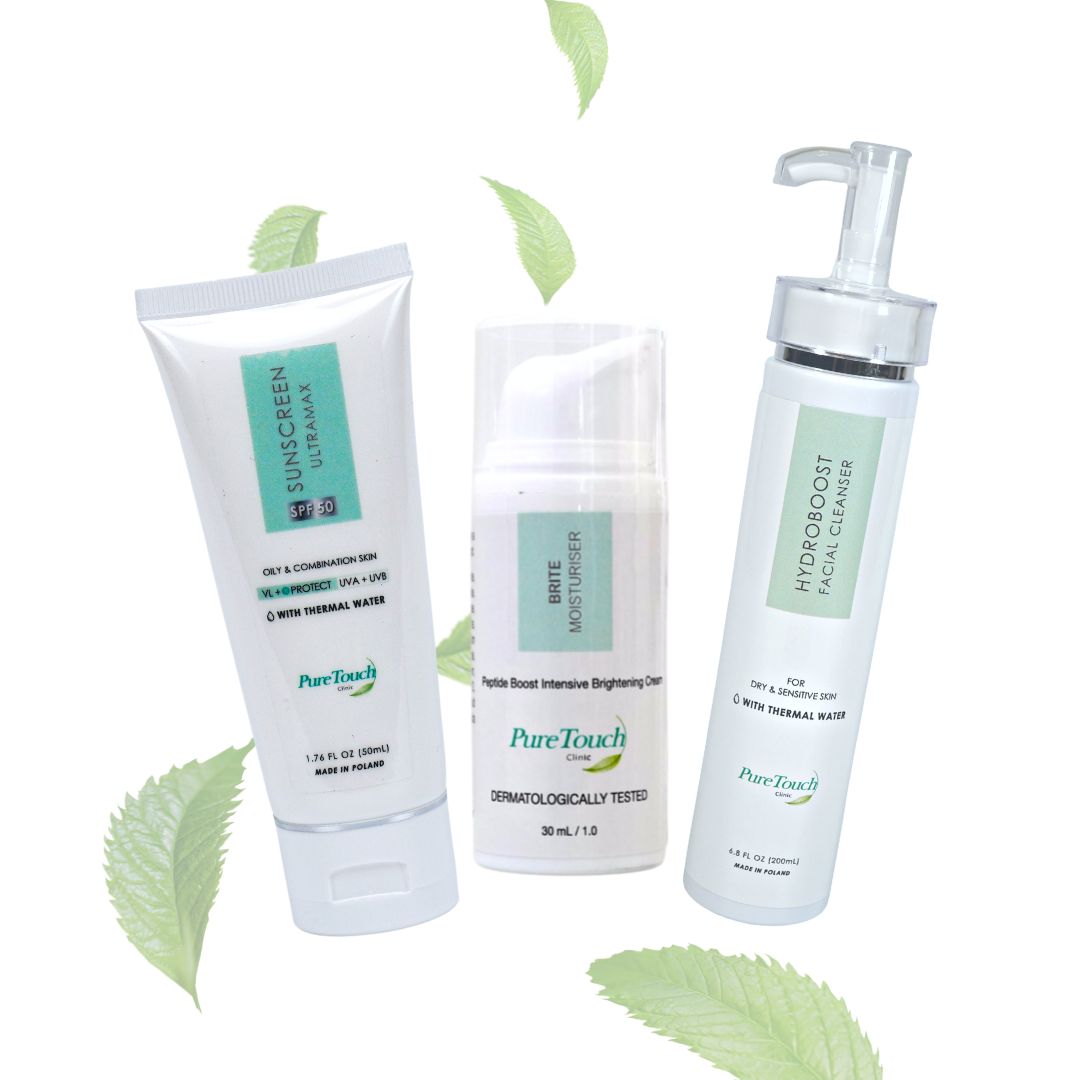
Starting proactive treatments now delays the need for intensive interventions later. This cost-effective approach focuses on maintaining what you have rather than reversing damage.
Preventive Routine includes:
- Daily medical-grade skincare such as cleansers, antioxidant serums, retinoids, and high-SPF sunscreen.
- Quarterly clinic treatments like chemical peels, microneedling, or light-based therapies
- Monthly investment: From RM500 to RM2,500, depending on treatment
Late 40s: Comprehensive Correction
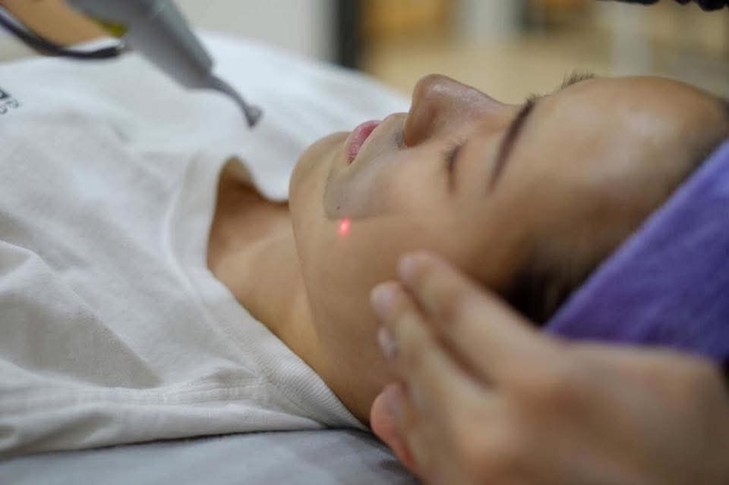
Addressing multiple established concerns simultaneously produces better results. Combination aesthetic services create complementary effects for a more natural, comprehensive rejuvenation.
Corrective approach examples:
- Pigmentation protocol: Chemical peels and laser treatments (3 to 6 months)
- Skin tightening: Radiofrequency or ultrasound therapy (every 4 to 6 weeks)
- Investment: Pricing starts at RM300 per session, with packages offering better value for longer-term treatment plans. While the initial investment may be higher, maintenance becomes less frequent once desired results are achieved.
Why Pure Clinic is the Choice for Mature Aesthetic Care

Your 40s bring aesthetic challenges shaped by Malaysia’s climate, hormones, and cultural standards. Effective treatment requires specialists experienced with Asian skin to prevent complications like post-inflammatory hyperpigmentation.
Pure Touch Clinic provides KKM-licensed doctors with over 17 years of experience treating the Malaysian demographic, using FDA-approved products calibrated to your skin type and age. Services cover facial, hair, body, and intimate health concerns, with transparent pricing.
Book a complimentary consultation with Pure Touch to assess your concerns and create a personalised treatment strategy.
Frequently Asked Question (FAQ)
How do I know which concern to address first if I have multiple issues?
Our experienced aestheticians generally recommend targeting foundational issues first, such as improving overall skin health, before moving to body contouring or volume restoration. This ensures better results and fewer side effects.
I'm Chinese/Malay/Indian; do treatments work differently on my skin?
Yes. Asian skin types (Fitzpatrick III-V) are more prone to post-inflammatory hyperpigmentation if treated too aggressively. Experienced doctors customize treatments for your ethnicity to ensure safety and effectiveness.
Do aesthetic treatments hurt, and what pain management options are available?
Most cause minimal discomfort. Clinics offer numbing creams and other pain management options. Patients typically describe sensations as mild pressure or tingling.
If you’re concerned about pain, discuss it during your consultation. Our doctors can adjust the approach and recommend suitable pain-management options to keep you comfortable.
What happens if I stop treatments after starting? Will my skin get worse than before?
No, your skin won’t get worse if you stop treatments. You simply return to your natural aging process. Treatments don’t cause rebound effects; they just lose their benefits over time.