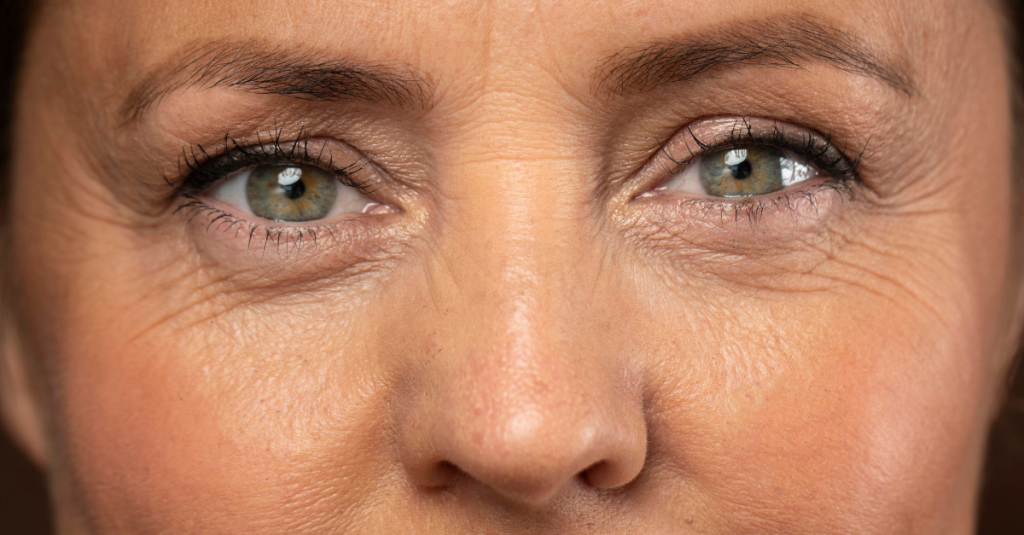
Are you noticing more brown spots on your skin now that you are in your 40s or 50s? What might once have seemed like temporary pigmentation can become more persistent over time. As skin ages, concerns such as uneven tone and visible pigmentation often become more noticeable, especially in the form of age spots.
While age spots are usually harmless, they can make the skin look more uneven and are often seen as a frustrating sign of skin ageing. Although these stubborn spots can seem difficult to get rid of, there are practical ways to help prevent them from darkening, along with minimally invasive aesthetic treatments that may help improve their appearance.
In this article, we explore why age spots become more common in middle-aged skin, how to reduce the risk of new spots, and which treatment options may be worth considering when skincare alone is not enough.
Key Takeaways
- Age spots often become more noticeable in middle age due to cumulative sun exposure and changes in ageing skin.
- They commonly appear on sun-exposed areas such as the face, hands, chest, and shoulders
- Consistent sun protection plays a major role in preventing them from darkening further.
- Mild spots may improve with skincare, while more stubborn pigmentation may benefit from professional treatment.
- Laser treatments and chemical peels are among the options that may help improve visible age spots.
- A personalised approach is important, as not all pigmentation concerns are the same.
What Are Age Spots?
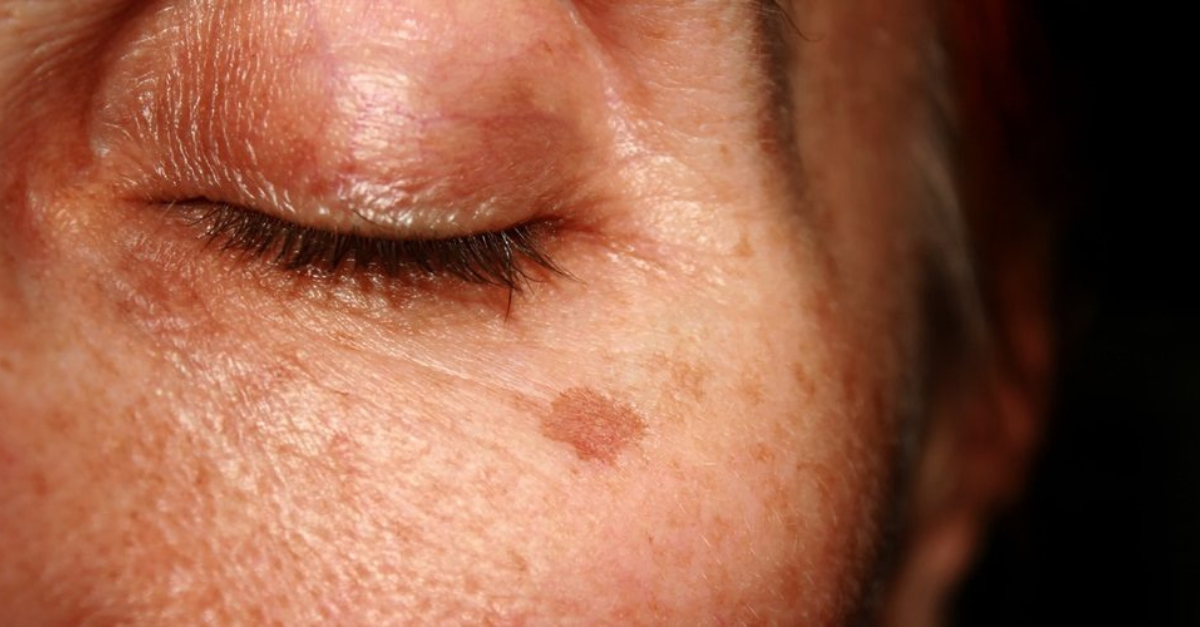
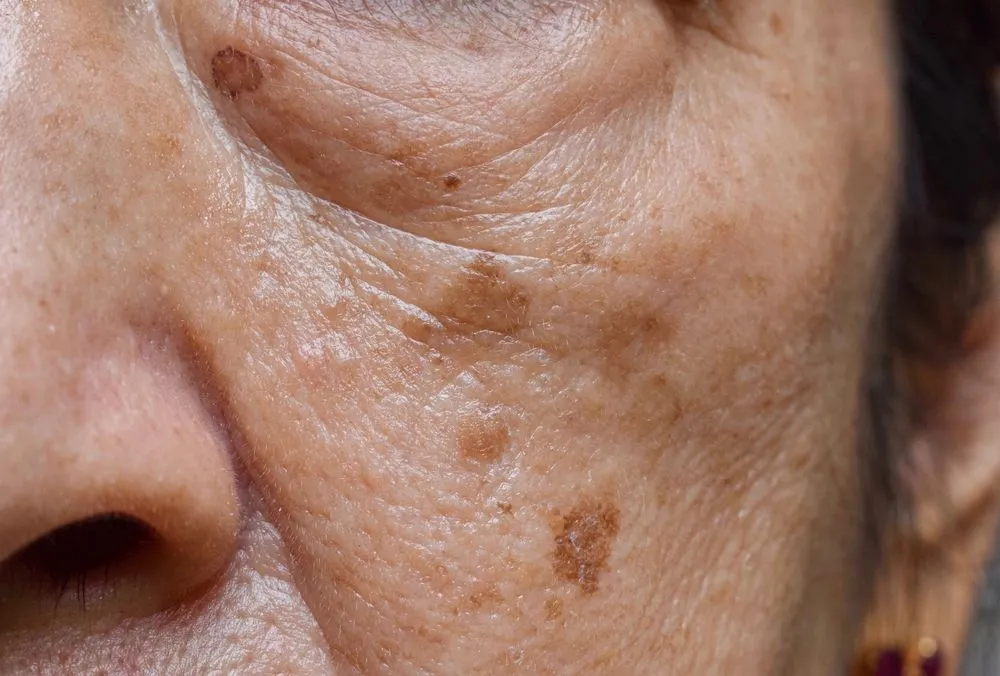
Age spots are flat, darkened patches of skin that usually appear in shades of brown, tan, or dark brown. They most commonly develop on areas that are frequently exposed to the sun, such as the face, hands, chest, shoulders, and arms. Unlike raised lesions or active skin conditions, age spots are typically smooth and do not cause pain or discomfort.
They are also sometimes referred to as sun spots, liver spots, or solar lentigines. These spots form when excess melanin, the pigment responsible for skin colour, builds up in certain areas of the skin over time. This often happens after years of repeated UV exposure, which is why age spots tend to become more noticeable in middle age.
Since age spots appear as darkened patches on the skin, they can sometimes be mistaken for other types of pigmentation or skin changes.
Skin concern | What it usually looks like | Common cause | Common areas | Key note |
Age spots | Flat brown, tan, or dark patches | Cumulative sun exposure over time | Face, hands, chest, shoulders, arms | Usually harmless and more common in middle age |
Freckles | Small light brown spots | Genetics and sun exposure | Face, shoulders, arms | Often appear earlier in life and may darken with sun exposure |
Melasma | Larger uneven brown or grey-brown patches | Hormonal changes, sun exposure, heat | Cheeks, forehead, upper lip | Usually appears in broader patches rather than individual spots |
Moles | Flat or raised brown or black marks | Pigment-producing skin cells | Anywhere on the body | Should be monitored for noticeable changes |
Suspicious pigmented lesion | May change in colour, border, size, or shape | Varies | Anywhere on the body | Should be assessed by a qualified doctor |
In your 40s and noticing wrinkles, pigmentation, or sagging? Learn the common signs of skin ageing, what causes them, and the minimally invasive treatments that may help.
Why Do Age Spots Become More Common in Middle Age?
Age spots often become more noticeable in middle age because of several gradual changes.
1. Years of cumulative UV exposure
Over the years, ultraviolet (UV) light can trigger excess melanin production in the skin. As this damage builds up, brown spots may become more noticeable, especially on sun-exposed areas such as the face, hands, chest, and shoulders.
2. Slower skin cell turnover
As skin ages, its natural renewal process tends to slow down. This means pigmented cells may not shed as efficiently as they once did, allowing darkened patches to remain visible for longer and making age spots appear more persistent.
3. Ageing-related pigment changes
Changes in the way melanin is produced and distributed can also make skin tone look less even over time. As a result, age spots and other pigmentation concerns may become more noticeable in middle-aged skin.
4. Genetics and hormonal influences
Some people may be more prone to age spots due to inherited traits, while hormonal changes can also affect how pigmentation appears. Although sun exposure remains one of the main triggers, these factors may help explain why age spots develop more easily in some individuals than in others.
What Makes Age Spots Worse?
Even after age spots begin to appear, certain habits and environmental factors can make them darker or more noticeable over time.
1. Daily sun exposure
Regular exposure to the sun can make age spots darker and more noticeable. Over time, even short periods of unprotected UV exposure may increase melanin production, causing existing spots to deepen and new ones to appear.
2. Tanning and artificial UV exposure
Tanning, whether outdoors or through artificial UV sources such as tanning beds, can worsen pigmentation. Repeated UV exposure places additional stress on the skin and may make age spots more pronounced over time.
3. Inadequate sun protection
Not using sunscreen regularly, skipping reapplication, or relying on minimal sun protection can worsen pigmentation. Without consistent protection, existing age spots may darken more easily, especially on areas that are exposed every day.
4. Inflammation or skin injury
In some cases, irritation, inflammation, or minor skin injury may make pigmentation concerns more noticeable. When the skin is inflamed, it may produce excess pigment, which can sometimes make dark spots appear worse.
5. Smoking and lifestyle-related skin stress
Lifestyle factors such as smoking and ongoing exposure to environmental stress may also contribute to premature skin ageing, which can affect how clear and even the skin looks over time. While these factors are not the main cause of age spots, they may make overall skin discolouration more noticeable.
How to Get Rid of Age Spots
There is no single treatment that works the same way for everyone. The most suitable way to reduce age spots depends on factors such as how visible the pigmentation is, how deep it appears, the individual’s skin type, and whether the marks are truly age spots rather than another form of pigmentation.
1. Topical Creams and Pigmentation-Focused Skincare
For mild or early age spots, topical products and skincare may help improve the appearance of pigmentation over time. Common ingredients used in dark-spot care include hydroquinone, retinoids, vitamin C, kojic acid, and niacinamide, which are often used to help brighten the skin and support a more even-looking complexion.
This approach is usually more gradual and may be better suited to less pronounced spots. That said, results from topical care are often slower and may be more limited when age spots are more established or more deeply pigmented. Consistency is also important, as visible improvement usually takes time rather than happening quickly.
2. Laser Treatment for Pigmentation
When age spots are more noticeable or do not respond well to topical skincare alone, laser treatment may be worth considering. This option is often used to target visible pigmentation more directly by focusing on excess melanin in the skin.
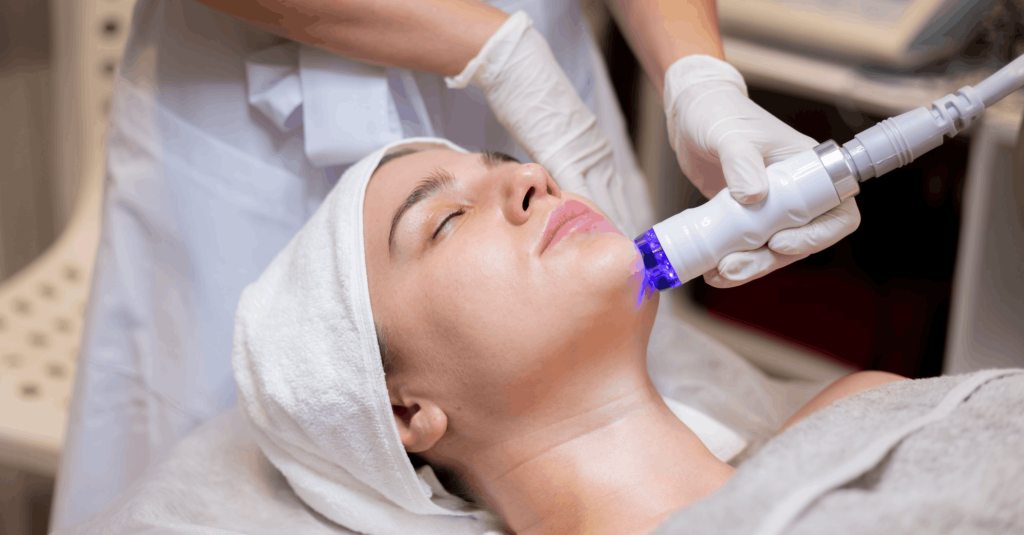
By delivering targeted light energy into the skin, laser treatments, such as pigment-targeting lasers and fractional lasers, help break down excess melanin, the pigment that gives dark spots their colour. Over time, this may help age spots appear lighter and less noticeable.
PureTouch’s Signature 5 Layers Laser Treatment
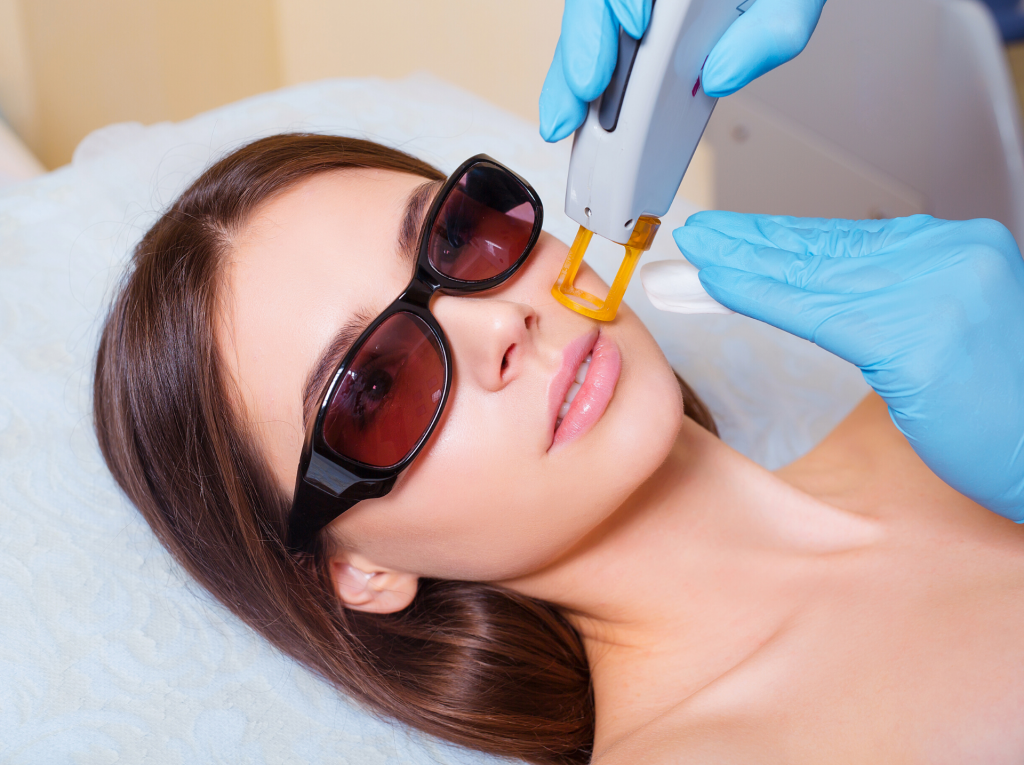

At PureTouch Clinic, the Signature 5-Layer Laser Treatment is offered to address concerns such as pigmentation and uneven skin tone. Powered by Curas Hybrid Laser technology, this multi-level treatment combines targeted steps such as toning, pigmentation and acne scar lightening, lifting, and eye rejuvenation to address multiple skin concerns in a single session.

Benefits of the treatment include:
- brightening and evening skin tone
- reducing pigmentation and acne scars
- refining the appearance of pores
- lifting sagging skin
- refreshing the eye area for a smoother, more radiant-looking complexion
3. Chemical Peels
Chemical peels are another minimally invasive option that helps improve selected pigmentation concerns. They work by exfoliating the outer layers of the skin to encourage surface renewal, which may gradually improve the appearance of superficial discolouration and uneven skin tone.
Certain peeling agents, such as glycolic acid and other exfoliating acids, are commonly used to remove damaged surface cells and support a smoother, more even-looking complexion. For some individuals, chemical peels may be suitable when age spots are accompanied by concerns such as dullness or uneven skin texture.
PureTouch’s Chemical Peel Treatment
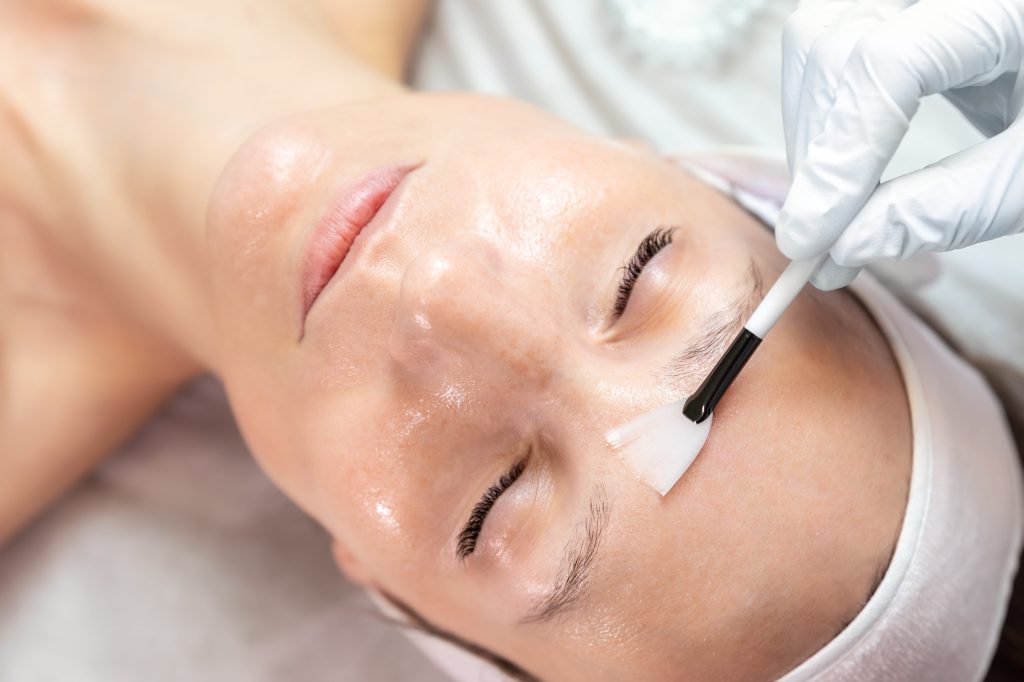

At PureTouch Clinic, chemical peels are used to rejuvenate the skin and as an anti-ageing procedure. The treatment works by applying a solution to gently peel away the surface layer of dead skin, revealing smoother, healthier-looking skin underneath—with zero downtime.

4. Microdermabrasion
Microdermabrasion is a non-invasive exfoliating treatment that removes the outer layer of dead skin cells. It may help gradually improve superficial pigmentation and support smoother, brighter-looking skin. As it is generally milder than other procedures, multiple sessions may be needed for more noticeable results.
5. Cryotherapy
Cryotherapy is a treatment that works by freezing pigmented cells, causing them to gradually break down and shed. It is more commonly used for isolated spots and may provide noticeable improvement in selected cases. As with other pigmentation treatments, suitability depends on the type of spot, skin condition, and professional assessment.
A Personal Touch to Your Best Features
Feel confident at every stage of life. Our doctors provide personalised, medically guided treatments that enhance what you already have, naturally and safely.
How to Prevent Age Spots from Getting Darker?
Although age spots can become more noticeable over time, certain daily habits may help prevent them from darkening further. Consistent sun protection and gentle skincare can play an important role in managing visible pigmentation.
1. Wear sunscreen every day
Daily sunscreen is one of the most important steps in helping to prevent age spots from becoming darker. A broad-spectrum sunscreen with at least SPF 30 is generally recommended, while SPF 50 may be a better option for those with frequent sun exposure or prolonged time outdoors.
2. Reapply sunscreen when needed
Applying sunscreen once in the morning may not always be enough, especially if you are outdoors for extended periods. Reapplying it throughout the day can help maintain protection and reduce further UV-related pigmentation.
3. Use protective accessories and clothing
Hats, sunglasses, and protective clothing can help reduce direct sun exposure on areas where age spots commonly appear, such as the face, chest, shoulders, and hands. These simple measures can offer added protection alongside sunscreen.
4. Avoid excessive sun exposure during peak hours
Trying to limit direct sun exposure during the hottest and brightest parts of the day may help reduce the risk of further pigmentation. Seeking shade whenever possible can also support better protection.
5. Keep your skincare routine gentle and consistent
Over-exfoliating or constantly changing products may irritate the skin and make pigmentation concerns harder to manage. A gentle, consistent skincare routine is often a better long-term approach for maintaining a more even-looking complexion.
Explore 9 recommended aesthetic treatments that may help address concerns such as pigmentation, dullness, hair thinning, body changes, and signs of ageing.
Which Treatment Might Be Better for You?
Not every age spot needs the same approach. The most suitable option depends on how noticeable the spots are, whether they have responded to skincare, and whether there are other skin concerns involved.
You may start with prevention, targeted skincare, and monitoring if:
- your age spots are still mild or less noticeable
- the pigmentation appears more superficial
- you are mainly trying to prevent spots from becoming darker
- you are comfortable with gradual improvement over time
You may want to consider laser treatment or chemical peels if:
- your age spots are more visible or stubborn
- skincare alone has not made much difference
- you want a more targeted approach to pigmentation
- you are also hoping to improve uneven tone or dull-looking skin
You may benefit from a customised treatment plan if:
- you have age spots together with other concerns, such as dullness, enlarged pores, or uneven texture
- you are unsure which treatment is suitable for your skin
- your pigmentation varies in depth or appearance
- you want to address multiple skin concerns at the same time
Ready to Treat Age Spots More Effectively?


Age spots may be common in middle age, but that does not mean you have to simply live with them. With the right combination of daily protection, targeted skincare, and professional treatment, it is possible to improve visible pigmentation and support a clearer, more even-looking complexion.
At Pure Touch Clinic, treatment plans are tailored to your skin type, pigmentation concerns, and goals.
Why choose Pure Touch:
- LCP-certified doctors and personalised consultation
- Treatments tailored to different skin concerns and pigmentation patterns
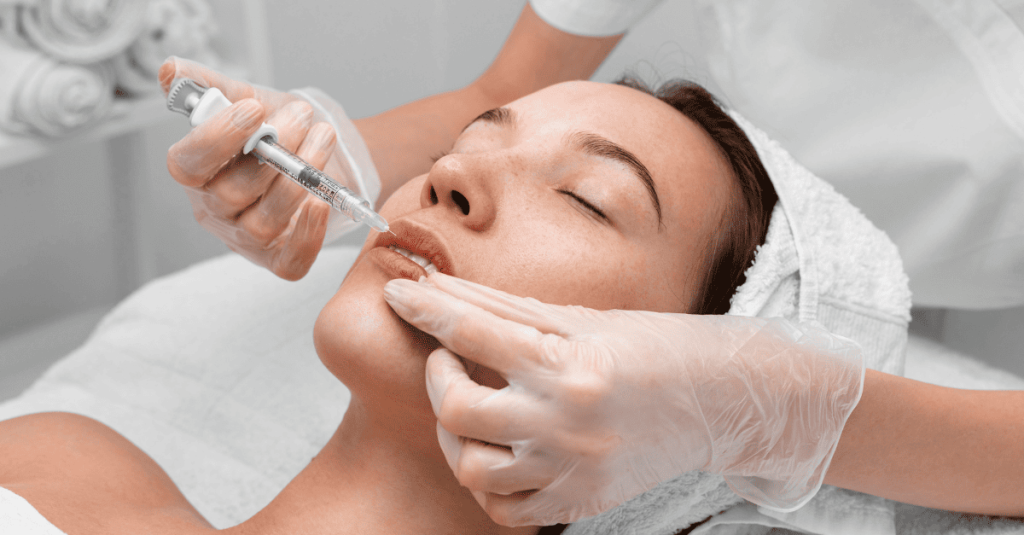
- Minimally invasive options such as laser treatments and chemical peels
- Focus on overall skin clarity, tone, and rejuvenation
- Trusted aesthetic clinic with experience in treating pigmentation concerns
Ready to take the next step? Book a consultation today to explore a treatment plan tailored to your skin needs and goals.
Frequently Asked Question (FAQ)
Can skincare help fade age spots?
Skincare may help improve the appearance of mild age spots and support a more even-looking skin tone over time.
Ingredients such as vitamin C, retinoids, niacinamide, kojic acid, and hydroquinone are often used in products designed for pigmentation. However, more stubborn or deeper spots may not respond fully to skincare alone.
Can age spots come back after treatment?
Yes, age spots can return or new ones can develop over time, especially if the skin continues to be exposed to UV light without proper protection. This is why daily sunscreen and long-term skin maintenance remain important even after treatment.
Is it possible to treat age spots and dull skin at the same time?
Yes. Some treatment approaches may help improve visible pigmentation while also supporting brighter, smoother, and more even-looking skin. The most suitable option depends on the individual’s skin concerns and treatment goals.
Are age spots more common in certain skin types?
Age spots can occur in all skin tones, though they are often more noticeable in lighter tones, particularly after years of sun exposure. Darker skin tones can also develop pigmentation concerns, but the appearance and treatment approach may differ depending on the skin’s tendency to pigment.