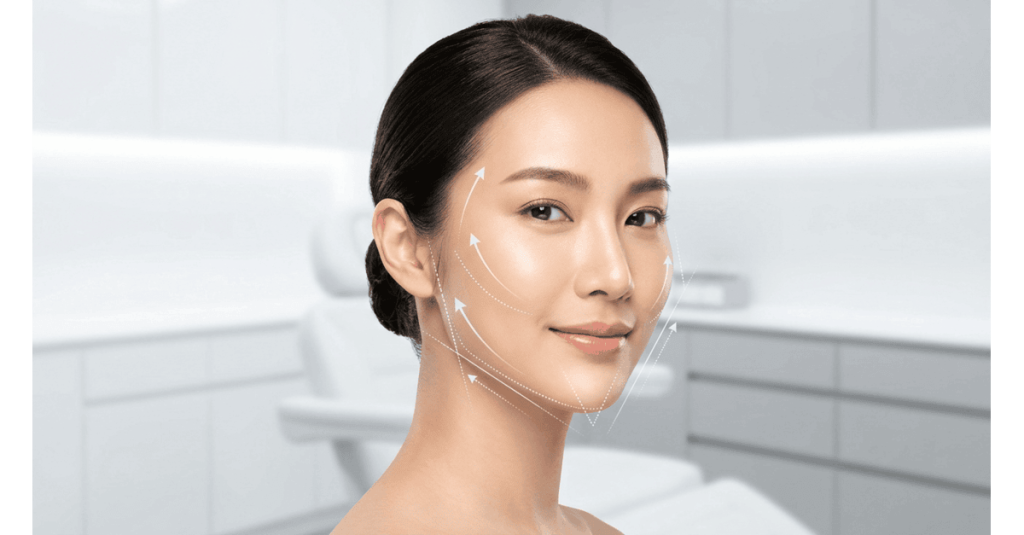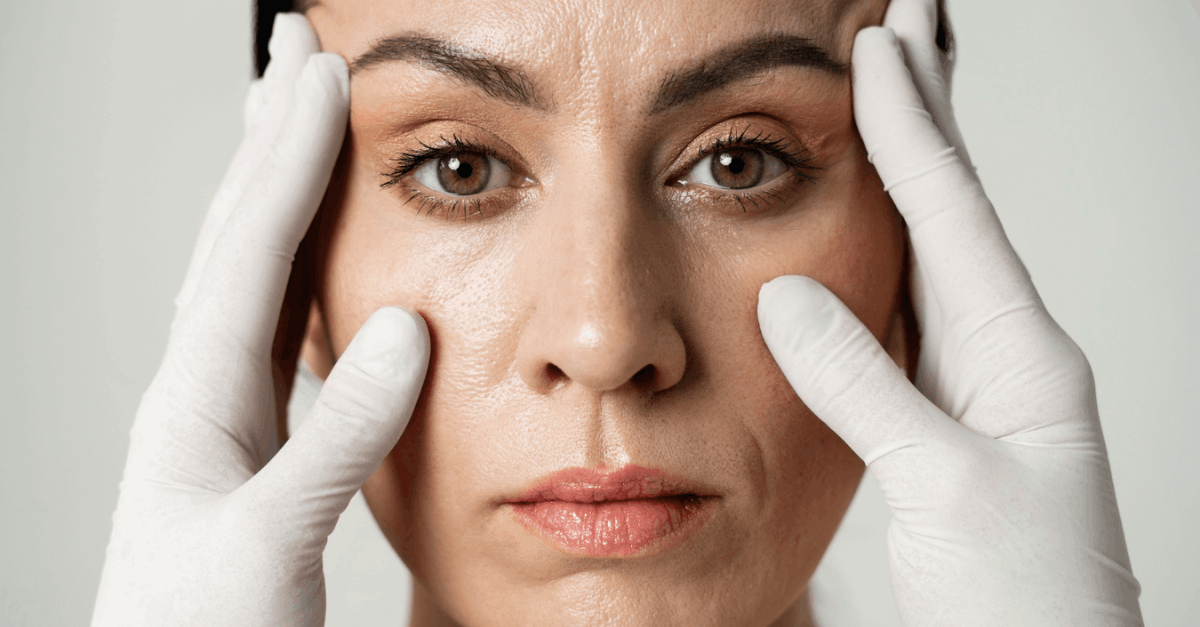
Did you know that in the first five years following menopause, women lose up to 30% of their skin’s collagen?
One day, your expensive skincare routine may suddenly stop working, and your face can feel dry, tight, unexpectedly irritated, or completely unrecognisable.
For many women, this shift often begins in their 40s, sometimes even earlier. It is directly caused by plummeting oestrogen levels that rob your complexion of its natural hydration and elasticity.
Standard over-the-counter creams simply aren’t enough when the actual biological foundation of your skin is altering.
In this guide, we explore exactly how menopause affects skin, the most common shifts women experience, and the safe, minimally invasive solutions available at Pure Touch to help you age confidently.
Why Menopause Changes Your Skin?

Menopause officially begins when a woman has gone 12 consecutive months without a menstrual period. However, reaching this milestone is a transition that can take years. It encompasses three distinct phases: perimenopause, menopause, and postmenopause.
During this time, your body goes through profound changes that extend far beyond reproductive health, and your skin is often on the front lines. When you enter this phase of life, three major biological shifts combine to change how your skin functions.
The Oestrogen Drop
Oestrogen is your skin’s structural manager, responsible for stimulating collagen production, maintaining skin thickness, balancing natural oil, and promoting hyaluronic acid that keeps your face plump and hydrated. When oestrogen levels plummet, it triggers a domino effect.
Without the robust support of this hormone, several changes occur:
- Collagen production stalls
Following the initial 30% drop in the first five years of menopause, your skin continues to lose about 2% of its remaining collagen each year. This steady decline is what causes the skin to lose its bounce, firmness, and natural elasticity.
- Skin becomes noticeably thinner
Clinical research shows that postmenopausal women lose just over 1.13% of their skin’s thickness each year. As the deeper layers of the dermis thin out, it loses its structural padding, making fine lines and deep wrinkles significantly more visible.
- The skin barrier weakens
Oestrogen is crucial for producing natural hyaluronic acid and ceramides, which hold your skin’s protective lipid layer together. When these deplete, water easily escapes from the skin (transepidermal water loss), leaving your complexion unable to lock in moisture and highly vulnerable to environmental damage and irritants.
The Cortisol Connection
Menopause also brings disruptive side effects like hot flushes, night sweats, and insomnia. This chronic lack of quality sleep leads to a spike in cortisol, the body’s primary stress hormone.
High cortisol levels are the absolute enemy of youthful skin. They actively accelerate collagen degradation and worsen inflammatory skin conditions, making issues like melasma, redness (rosacea), and sensitivity much more stubborn and severe.
The Metabolic Slowdown
As we age, our overall metabolism slows, which directly affects our cellular turnover rate. In your 20s, your skin naturally sheds dead cells and replaces them with fresh, luminous ones roughly every 28 days.
During menopause, this renewal process can take up to twice as long. This metabolic slowdown is why your complexion can suddenly look flat, dull, and exhausted, regardless of how much sleep you actually get or how many brightening serums you apply.
How Menopause Affects Your Skin: The 5 Major Shifts
Once the hormonal fluctuations of perimenopause settle into the permanent drop of menopause, the changes to your complexion become more fixed.
Here are the five most common ways your skin visibly changes during this transition, along with the biological reasons behind them:
1. "The Lines Don’t Go Away Even After Resting."
- What it is: Deep Wrinkles and Fine Lines
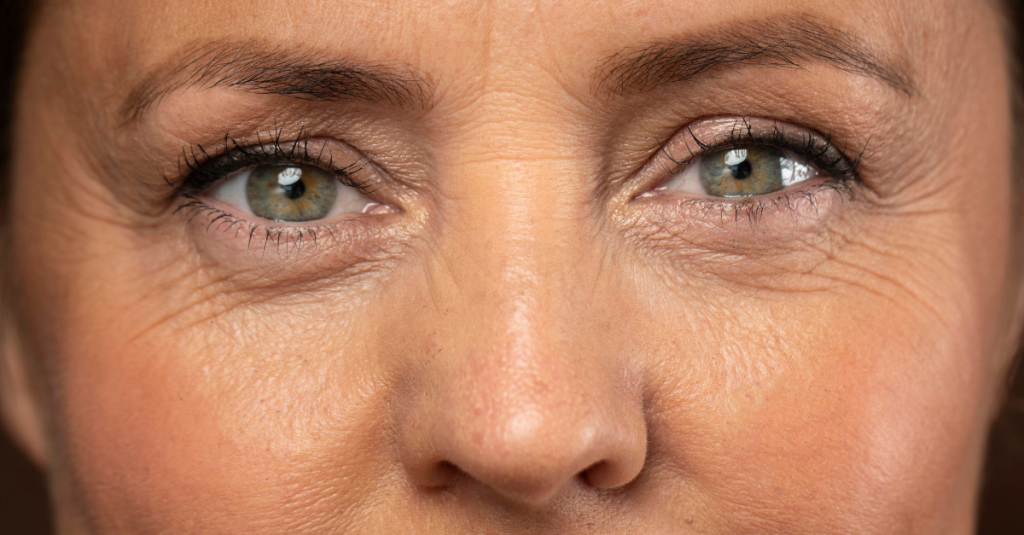
- How it shows up: You might notice that your forehead lines, frown lines, and crow’s feet remain visible even when your face is completely relaxed and expressionless.
- The cause: As oestrogen levels decline, the skin produces less collagen and elastin. These proteins help the skin fold when we smile or frown, and it bounces back immediately. With reduced collagen, the skin becomes thinner and loses its natural elasticity, making wrinkles more noticeable over time.
2. "My Skin Tone Is No Longer Even."
- What it is: Pigmentation & Melasma
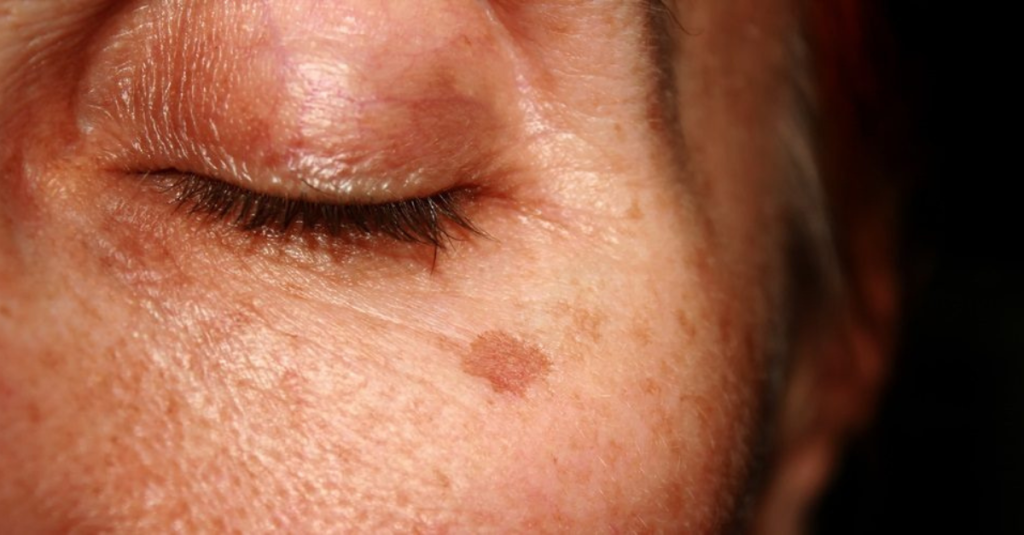
- How it shows up: The sudden appearance of sun spots, dark patches, melasma, or an overall dull, uneven complexion that often develops on the cheeks, forehead, or upper lip, making you look fatigued.
- The cause: While Caucasian skin often shows fine lines and severe wrinkling first, Asian skin is naturally richer in melanin. As oestrogen levels drop, your melanocytes can become highly reactive. Combine this hormonal imbalance with years of cumulative UV exposure in our tropical climate, and age spots or melasma can suddenly flare up.
3. "I Look Tired and Droopy."
- What it is: Sagging and Laxity
- How it shows up: The development of heavy jowls along the jawline, deep shadowing under the eyes, prominent smile lines (nasolabial folds), and an overall loss of facial volume.
- The Cause: Menopause not only affects the skin but also triggers bone resorption, meaning the bones of your face begin to shrink and recede slightly. When you combine this loss of structural scaffolding with a severe drop in skin elastin, the mid-face naturally drops, gravity takes over, and the lower face begins to sag.
4. "My Skin Feels Flaky and Tight."
- What it is: Dryness and Menopausal Itch
- How it shows up: Your skin feels constantly flaky, tight, and highly sensitive, no matter how much moisturiser you apply.
- The Cause: Oestrogen balances your skin’s natural oil production and maintains its healthy, protective pH. When oestrogen levels drop, your skin becomes more alkaline and loses essential moisture-binding molecules, leading to chronic, severe dryness. This can lead to a condition known clinically as pruritus (menopausal itch).
5. "I'm Breaking Out Like a Teenager Again."
- What it is: Menopausal Acne
- How it shows up: Sudden breakouts during menopause, appearing around the chin, jawline, and lower face (U-zone).
- The Cause: As your female hormones (oestrogen) plummet, your male hormones (androgens) can suddenly become the dominant force in your body. This hormonal imbalance overstimulates the sebaceous glands, causing them to produce a thick, sticky oil that may clog pores and trigger acne, even if the rest of your face feels dry.
Wondering if your skin changes are due to menopause or just natural ageing? The symptoms often overlap. Read our full guide on ageing signs to understand the deeper causes of volume loss, static lines, and uneven tone and the treatments that truly help!
Top Aesthetic Treatments for Skin Changes After Menopause
When the biological foundation of your skin fundamentally alters, aesthetic treatments become the necessary next step.
At Pure Touch, we offer several advanced, doctor-led aesthetic treatments designed to help your body restore its architecture from the inside out.
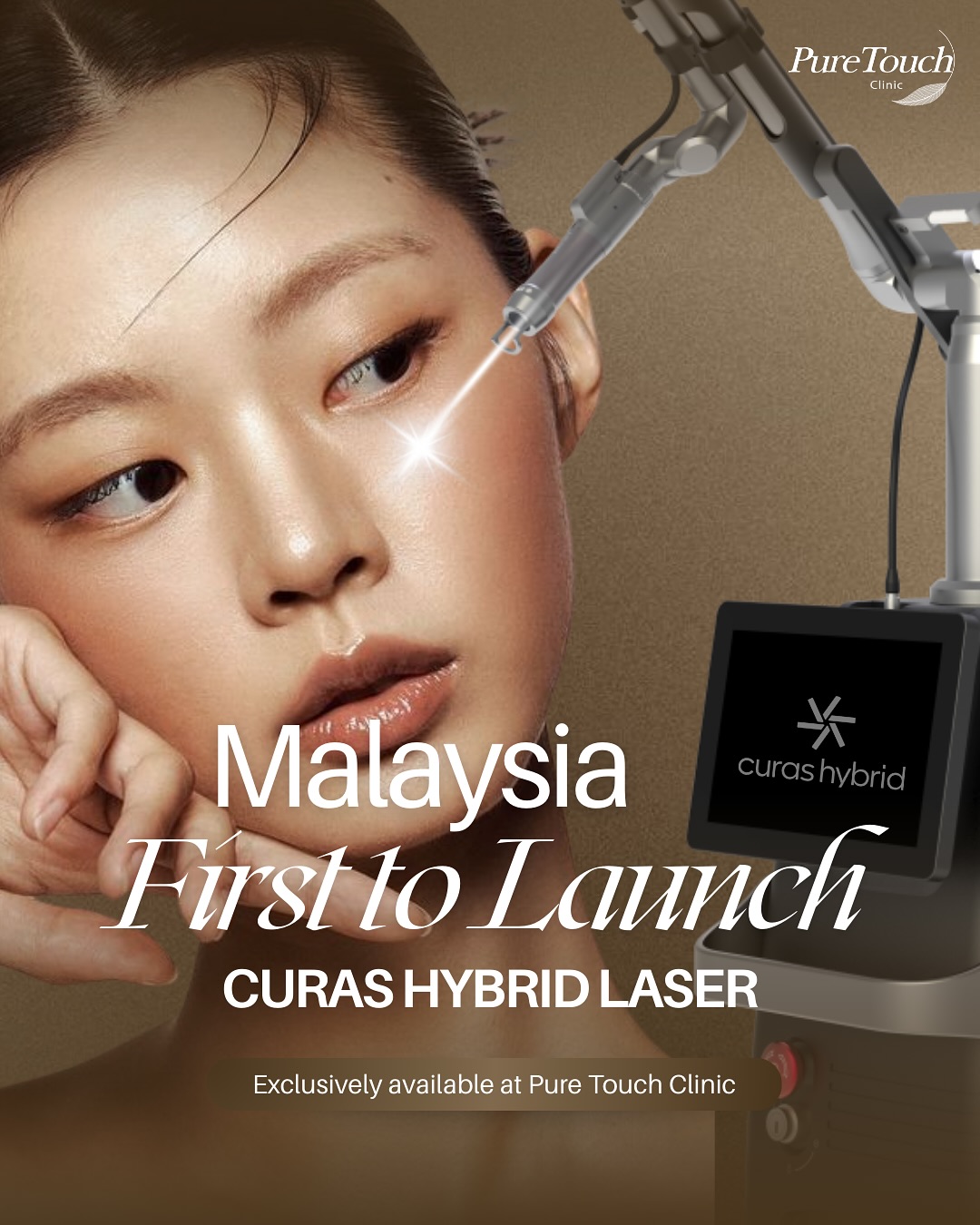
Ideal For: Hyperpigmentation, melasma, acne scars, and age spots.
Since Asian skin is highly prone to melasma and stubborn dark spots during menopause, aggressive lasers can sometimes cause post-inflammatory hyperpigmentation (PIH). The Curas Hybrid Laser is specifically designed to be safe for diverse skin types.
Pure Touch is proud to be the first clinic in Malaysia to introduce this advanced technology. We utilise this in our Signature 5-Layer Laser Facial, which uses five different laser modes to address the most common signs of ageing in a single session, with zero to minimal downtime.
5 Signature Laser | How It Transforms Menopausal Skin |
Carbon Peeling | Clears the Surface: We apply a carbon mask and use the laser to gently vaporise dead cells and trapped oil. It instantly minimises enlarged pores and bypasses the sluggish cellular turnover of your 40s. |
Brightening & Toning | Restores the Glow: A gentle laser sweep over the face revives dull, tired-looking skin, bringing back the luminous tone you had before menopause dried out your complexion. |
Pigment Correction | Erases the Spots: Uses highly targeted wavelengths to safely shatter stubborn hormonal melasma, age spots, and old acne marks into microscopic particles your body can naturally flush away. |
Deep Lifting | Wakes Up Collagen: Delivers comfortable heat into the deeper dermal layers to stimulate your fibroblasts, naturally tightening the skin and lifting early sagging around the cheeks and jawline. |
Eye Rejuvenation | Brightens the Eyes: Carefully calibrated for the delicate, thin skin around your eyes to soften fine lines (crow’s feet) and lighten dark, shadowing under-eye circles. |
Note: If you are feeling overwhelmed by the multiple changes happening to your face all at once, this 5-in-1 treatment is the ultimate reset button.
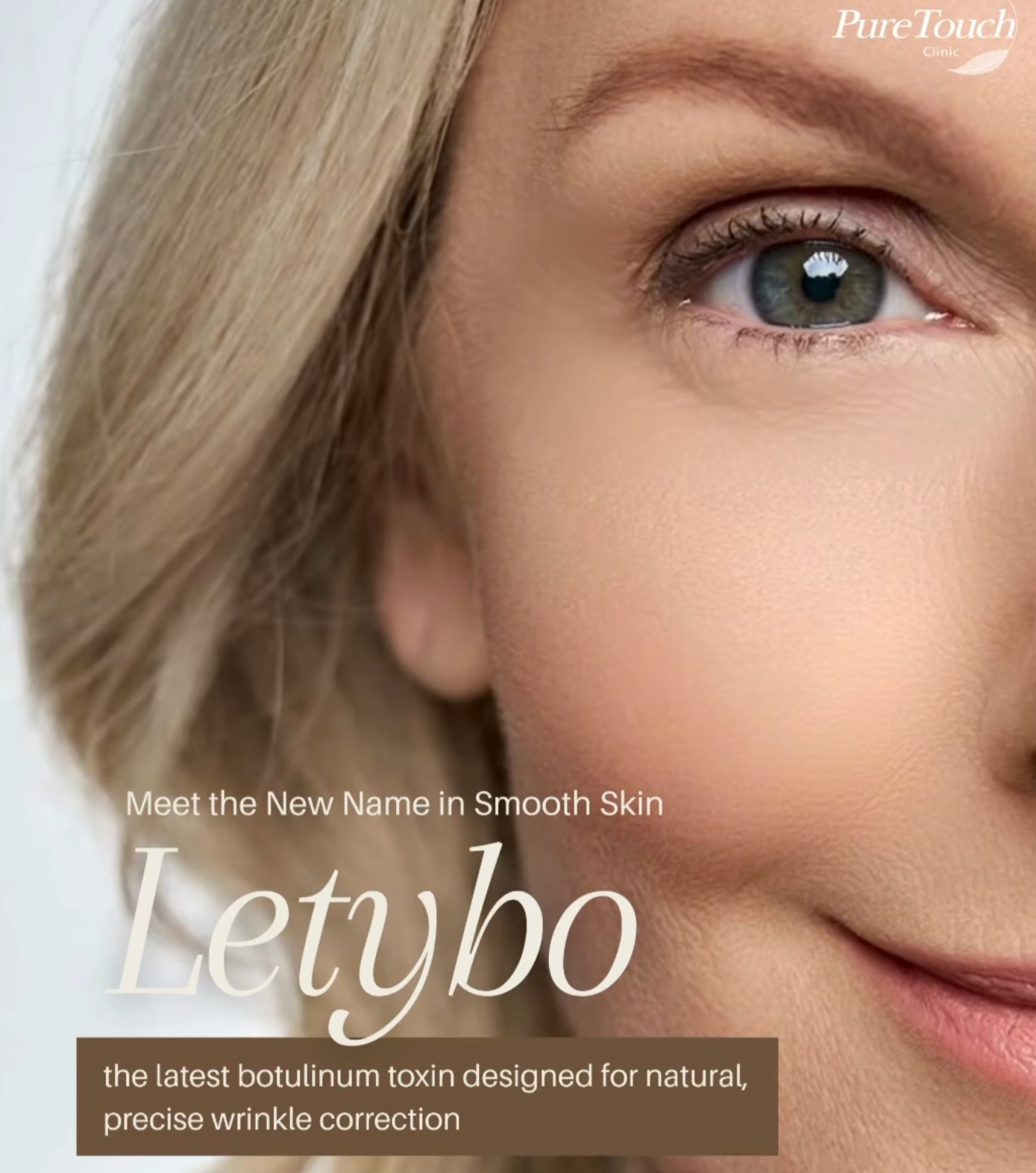
Ideal For: Fine lines, deep dynamic wrinkles, and heavy expressions.
As the skin becomes thinner and more fragile during menopause, repeated facial movements can leave lasting lines, making you look tired or tense even when you feel well. Botulinum Toxin A (Botox) helps relax these muscles.
At Pure Touch, we use Letybo, often called “Korean Botox”, a clinically approved, highly purified neurotoxin protein.
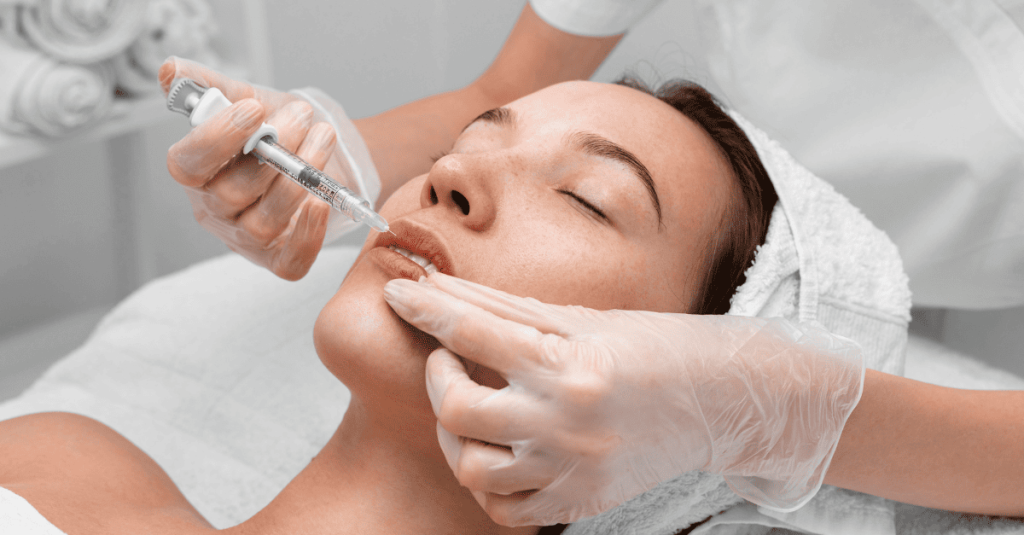
Using a tiny, ultra-fine needle, our doctors place precise micro-injections into specific overactive facial muscles. It temporarily blocks the nerve signals (acetylcholine) that tell the muscle to contract, allowing the skin above it to smooth out.
The Aesthetic Concern | How It Transforms Menopausal Skin |
Drooping Brows & Heavy Eyelids | Brow Lift: By relaxing the muscles that pull the eyebrows down, Botox allows the upward-pulling muscles to naturally elevate the brow, opening up heavy, tired eyes. |
Drooping Lower Face | Lower Face Softening: Relaxes the muscles that pull the corners of your mouth downward (marionette lines), instantly correcting an unintentional sad face. |
Bulky Jawline | V-Shape Slimming: Menopausal stress and poor sleep often lead to teeth grinding (bruxism). Botox relaxes the enlarged masseter (jaw) muscles, slimming the lower face back into a youthful V-shape. |
Neck Bands & Chin Creases | Neck Smoothing: Softens the prominent vertical bands that appear on the neck as skin thins, and smooths out pebbled chin dimpling. |
Crow’s Feet & Bunny Lines | Expression Softening: Erases the permanent crinkles around the outer corners of the eyes and the scrunch lines across the bridge of the nose. |
Ideal For: Deep sagging, laxity, and loss of facial definition.
When you hit menopause, your facial bones subtly begin to thin, and the heavier tissues of your cheeks and lower face simply have nothing holding them up anymore.
HIFU is all you need, as it bypasses your skin’s surface entirely, delivering ultrasound waves deep into the SMAS, the exact same deep structural connective tissue that cosmetic surgeons physically pull and tighten during a surgical facelift.
This deep thermal energy causes immediate tissue contraction, giving you an instant, mild lift while simultaneously triggering a massive collagen-building response that naturally tightens the skin over the following months.
The Aesthetic Concern | How It Transforms Menopausal Skin |
Jowls & Soft Jawline | Jawline Definition: Tightens the sagging connective tissue around the lower face, pulling back early jowls and restoring a sharp, defined, youthful V-shape contour. |
Mid-Face Sagging | Cheek Elevation: Elevates the cheeks and improves muscle-suspension support, effectively combating the gravitational pull of menopausal volume loss. |
Drooping Brows & Lids | Upper Face Lift: Delivers precise energy to lift the brow area and reduce upper eyelid heaviness, opening the eyes for a naturally awake, refreshed look. |
Neck Laxity & Double Chin | Neck Profile Firming: Stimulates deep collagen regeneration to tighten the loose skin under the chin and firm up the overall neck profile. |
Quick Tip: HIFU vs. Thread Lifts vs. Fillers, wondering which treatment you need?
- Choose HIFU if you want to force your body to build its own natural collagen and tighten up over time.
- Choose a Thread Lift if you need an immediate physical lift for severe sagging.
- Choose HA Dermal Fillers if your sagging is due to a hollow, sunken appearance to instantly restore lost menopausal volume.
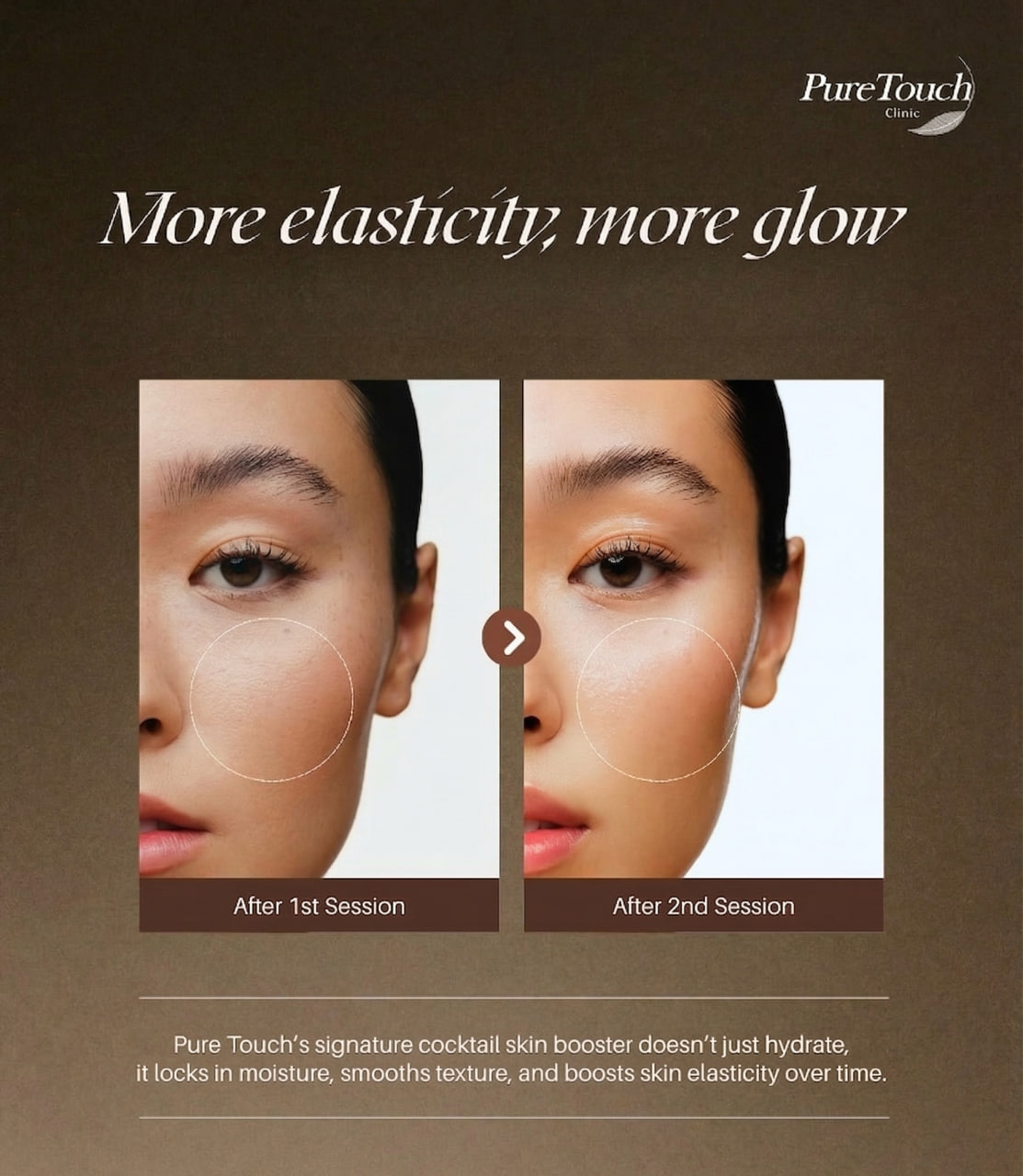
Ideal For: Extreme dryness, flakiness and tightness
As oestrogen declines, the skin loses natural hyaluronic acid (HA), reducing its ability to retain moisture. At this stage, regular moisturisers often only hydrate the surface without addressing deeper dehydration.
Our 3-step Signature Cocktail Skin Booster is a multi-step injectable treatment designed to bypass the weakened skin barrier. It uses a curated blend featuring NCTF, a premium French formula with over 55 active ingredients, combined with advanced biostimulators to transform your skin from the inside out.
The Sessions | How It Transforms Menopausal Skin |
Session 1: The Texture Reset | Pore Refining & Line Smoothing: Focuses on reducing early fine lines and shrinking enlarged pores, creating a smooth, polished surface and prepping the menopausal skin for deeper treatment. |
Session 2: The Deep Plump | Intense Hydration & Elasticity: Boosts your skin’s deep moisture by 24.6%, instantly removes that dry, tight feeling, and leaves your skin soft, plump, and glowing from the inside out. |
Session 3: The Personalised Finish | Collagen & Pigment Correction: Customised entirely to your specific menopausal skin condition. We use an advanced biostimulator to stimulate collagen and elastin production, improving skin density while aggressively targeting dullness, sagging, and deep pigmentation. |
Ideal For: Overall facial and body laxity, sagging jowls, neck and decolletage wrinkles, crepey knees, and bingo wings
You might be diligent with your facial skincare, but hormonal and metabolic changes during menopause may reduce collagen and elastin throughout your entire body.
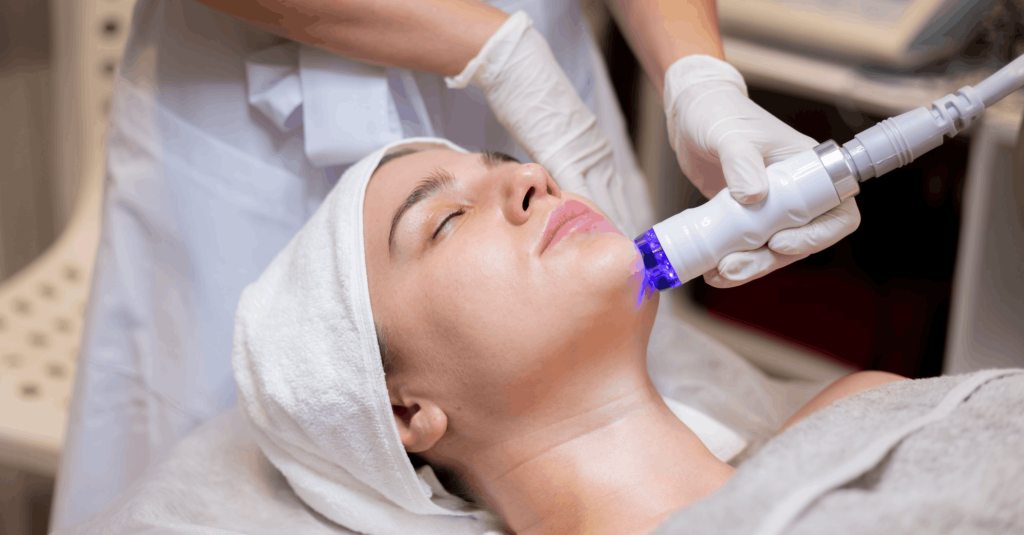
At Pure Touch, non-invasive radiofrequency (RF) treatments help tighten, lift and firm the skin with clinically backed results.
The RF Treatments | How It Transforms Menopausal Skin |
EndyMed (3DEEP RF) | Face & Body Tightening: Uses advanced radiofrequency technology to safely push controlled heat deep into the tissue. This stimulates collagen remodelling, effectively tightening lax skin and restoring firmness to loose skin on both the face and body without a single needle. |
INDIBA Perfection Facial and Body Treatment (Proionic RF) | Facial Revitalisation & Body Firming: Uses a unique Proionic radiofrequency to boost circulation, revitalise tired skin, and restore a luminous, lifted complexion. On the body, this deeply relaxing, warm treatment works aggressively to tighten lax skin and smooth the appearance of menopausal cellulite. |
Note: Results vary depending on the area, treatment plan, and number of sessions. A medical consultation is required before treatment.
A Personal Touch to Your Best Features
Feel confident at every stage of life. Our doctors provide personalised, medically guided treatments that enhance what you already have, naturally and safely.
Supporting Your Skin: Lifestyle & Post-Treatment Care
A solid at-home skincare routine and a healthy lifestyle are the non-negotiable foundations of great skin. Imagine medical aesthetics as rebuilding the structural walls of your skin, while your daily habits are the maintenance that keeps it looking beautiful.
You need both to truly address skin changes after menopause. However, we have to be realistic about what creams and lifestyle changes can and cannot do.
Your Daily Lifestyle Checklist
To support healthier skin from the inside out, incorporate these daily habits:
- Prioritise sleep
Sleep is when your skin does its heavy lifting. During deep sleep, our body releases Human Growth Hormone (HGH) to restore collagen and elastin, helping maintain skin firmness. Skimping on sleep spikes cortisol, halting the repair process entirely.
- Eat your water
Drinking water is crucial, but consuming water-rich foods like cucumbers and melons provides hydration packed with essential electrolytes. This helps your cells actually hold onto the moisture, maintaining skin turgor for a firmer, more radiant complexion.
- Eat a balanced diet
Focus on high-quality protein, healthy fats, and antioxidant-rich foods. These nutrients provide the essential building blocks your body needs for cellular repair and defending the skin against environmental damage.
- Manage stress
Chronic stress triggers a constant release of cortisol, which drives up skin-damaging inflammation and worsens hormonal imbalances. Finding daily ways to decompress helps keep your skin calm, clear, and resilient.
The Post-Treatment Checklist
Once you have invested in an aesthetic treatment to rebuild your skin, protecting that investment is crucial:
- Do Prioritise Hydration and Sun Protection
Apply ceramide-heavy, gentle moisturisers and a broad-spectrum SPF 30+ every single morning. This is especially vital for Asian skin to prevent hyperpigmentation from returning.
- Avoid Strong Active Ingredients
Give your skin a break from Retinoids, Vitamin C, and exfoliating acids (AHAs/BHAs) for at least 24 to 72 hours post-treatment to prevent unnecessary irritation.
- Avoid Heat and Heavy Sweating
Skip the sauna, hot yoga, and strenuous gym sessions for about 48 hours, as excess heat and sweat can trigger inflammation or increase the risk of infection in freshly treated skin.
- Avoid Touching or Scratching
If you are prone to menopausal itch, or if your skin is lightly flaking after a laser session, keep your hands off. Picking or scratching can lead to permanent scarring and post-inflammatory hyperpigmentation.
Don’t Let Hormones Dictate Your Complexion
Menopause is a natural stage of life, but the skin changes that accompany it can sometimes feel unexpected or frustrating. While healthy habits and skincare help, modern aesthetic treatments offer the deeper support that creams alone cannot provide.
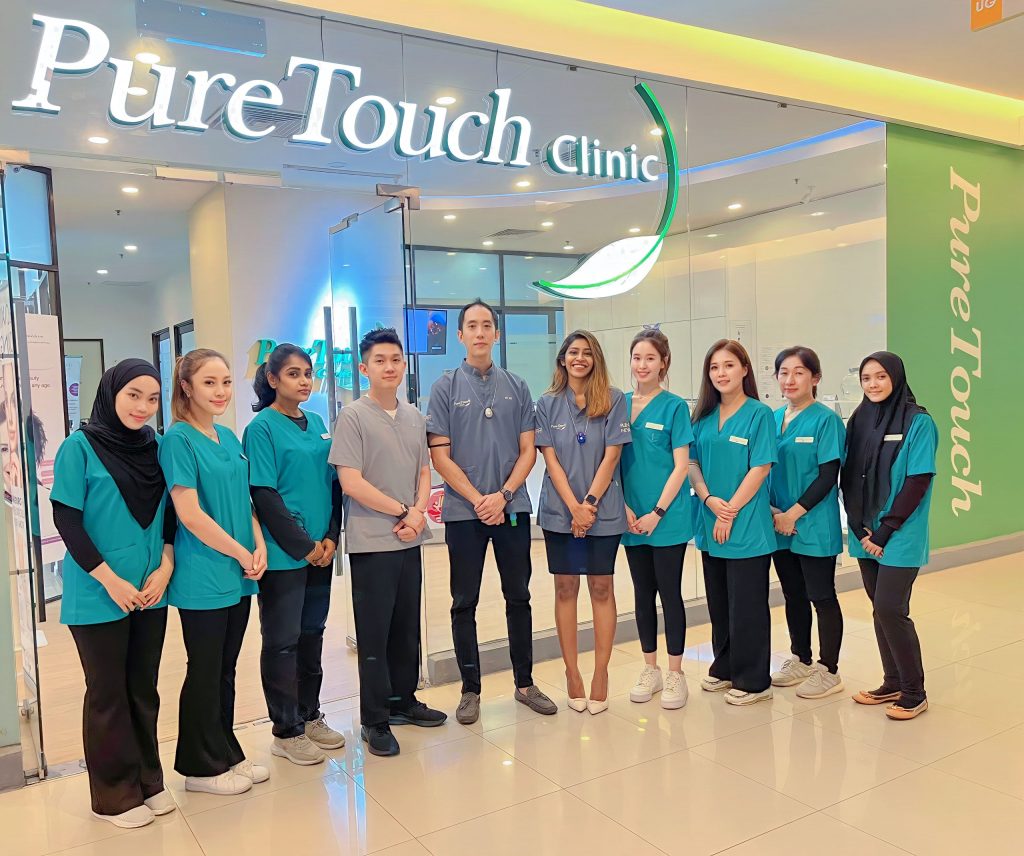
At Pure Touch, your treatments are performed by KKM-registered aesthetic doctors bringing over two decades of clinical experience to ensure personalised care and natural-looking results.
By taking the time to understand your unique skin condition, lifestyle, and aesthetic goals, we can recommend treatment options personalised specifically to your needs.
You do not have to guess which treatments will work for you. Book a consultation with our specialists today and discover the menopausal treatment plan designed exclusively for you.
Frequently Asked Question (FAQ)
Is it better to start treatments early in perimenopause or wait?
It is highly recommended to start early. During the perimenopause phase, your collagen levels begin to drop before you even reach full menopause.
Addressing these concerns early with appropriate skincare and minimally invasive aesthetic treatments may help slow the progression of visible ageing, proactively stimulate collagen, and manage early signs of laxity or hormonal pigmentation before they become deeply set.
However, the best timing varies for each individual. A consultation with qualified aesthetic doctors can help determine the most suitable treatment plan based on your skin condition and goals.
Are aesthetic treatments painful?
Most modern aesthetic treatments are designed to be comfortable, mostly being non-invasive or minimally invasive. Treatments such as Botox or Skin Booster involve only mild, temporary discomfort.
Also, most procedures are performed using a medical-grade topical numbing cream to ensure your experience is as comfortable as possible. Many patients can resume their normal daily activities shortly after treatment.
Can I combine treatments gradually?
Yes, many aesthetic treatments can be combined or introduced gradually depending on your skin concerns and treatment goals. In fact, combining different modalities often yields the most natural-looking results since menopause affects the skin in multiple ways.
For instance, you might start with a Skin Booster for immediate hydration, followed by HIFU a few weeks later for structural lifting, so your skin can adapt beautifully without being overwhelmed.
A personalised treatment plan allows your doctor to target different aspects of menopausal skin changes while maintaining natural-looking results.
How soon before any big event should I book?
The ideal timing depends on the type of treatment you choose.
- Skin Boosters: Best done 1 to 2 weeks prior for a radiant and hydrated glow.
- Botox (Letybo): Book at least 2-3 weeks in advance, as the medication takes up to 14 days to fully settle and smooth out lines.
- HIFU or Curas Hybrid Laser: Book 2-3 months in advance. These treatments rely on your body’s natural ability to produce new collagen, which takes time to reveal the final, flawless result.